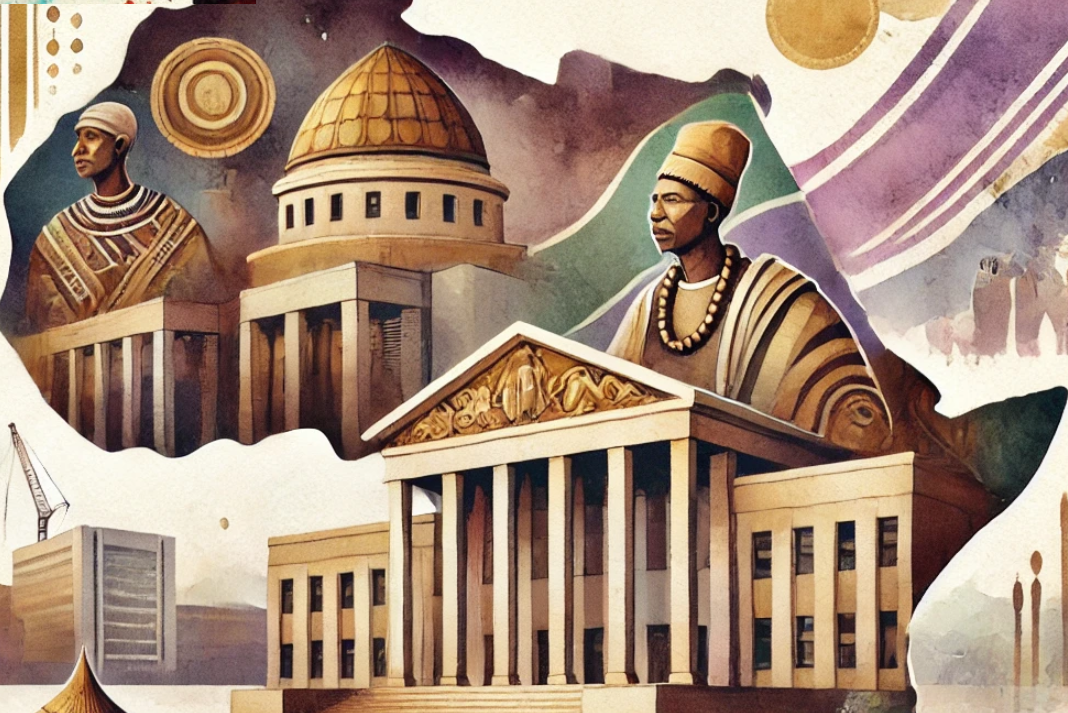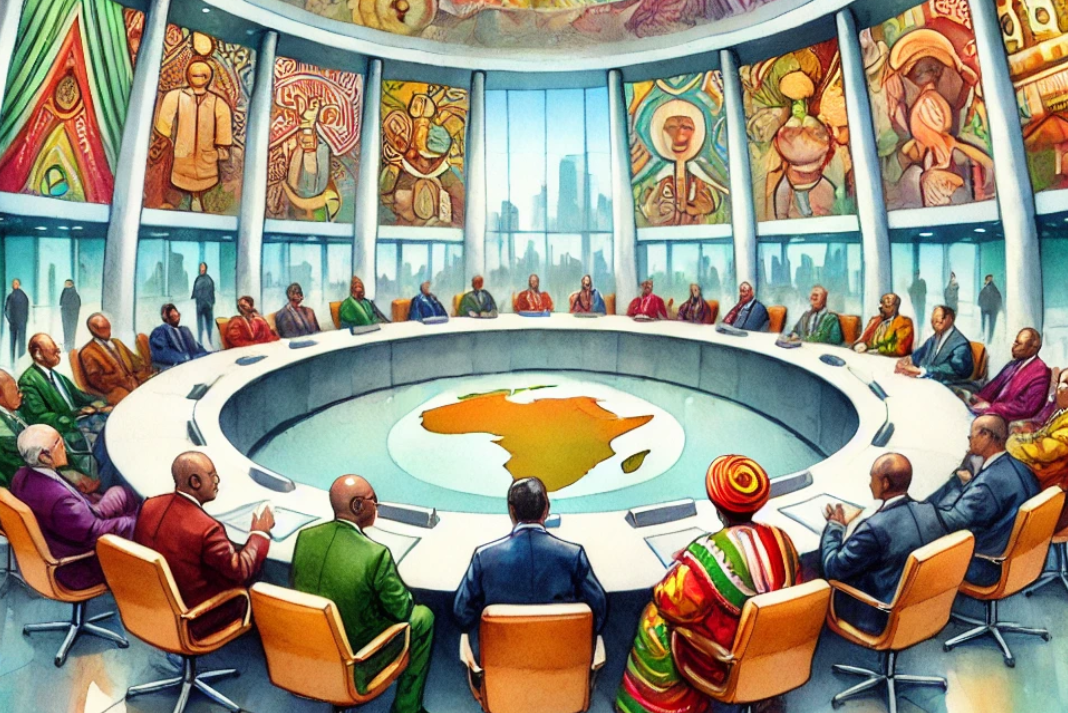

Globalisation has intensified the global flow of information, goods, and ideas, drawing societies ever closer. Around the world, communities grapple with how best to preserve their distinct traditions and identities—a challenge starkly felt in Africa, where local cultures face mounting pressure to conform to external norms. Yet amid these demands, they continue to assert their individuality through inventive, enduring practices.
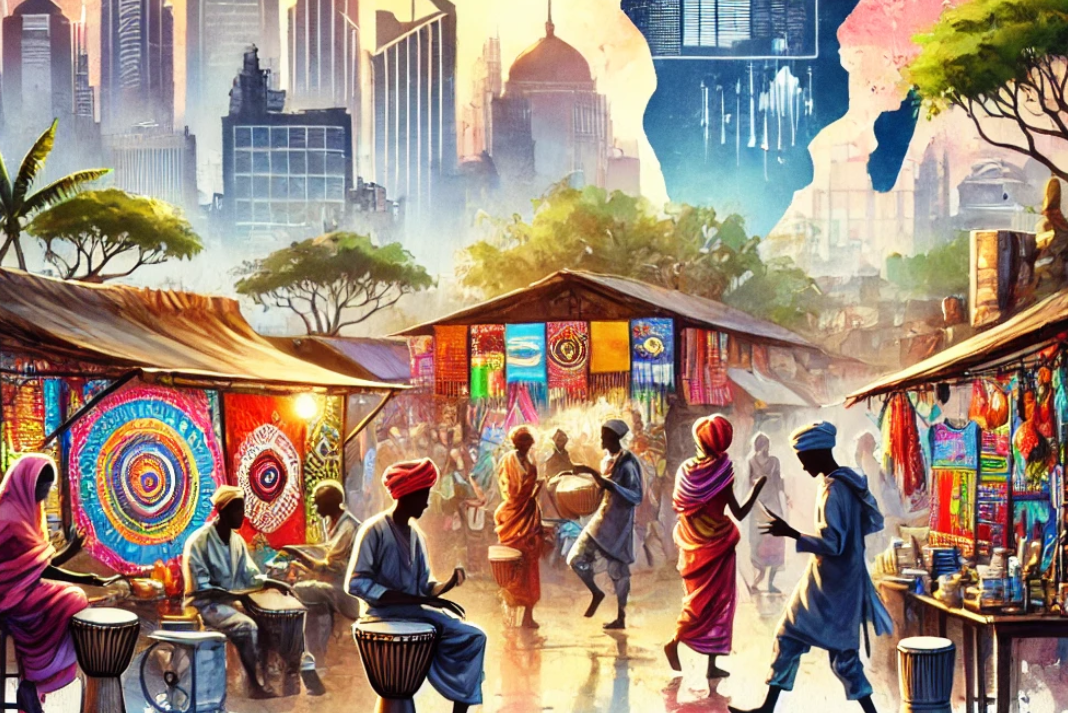
At marketplaces in Dakar, Kigali, and Lagos, artisans display designs rooted in centuries-old craftsmanship. These bazaars operate as living museums of local heritage, revealing how African creativity merges history with modernity. Still, vendors voice concerns about mass-produced replicas and a growing appetite for Western products—factors that may erode indigenous offerings in markets increasingly dominated by global brands.
Meanwhile, a new generation of African youth, many of whom have studied abroad or absorbed global media at home, stands at a cultural crossroads. Yet these same young creatives are deliberately fusing traditional themes into music, fashion, and digital content. From Afrobeats to online platforms showcasing African-inspired couture, their work signals a desire to highlight authentic African aesthetics internationally. Beyond its commercial promise, this movement promotes communal pride and carries cultural knowledge forward.
Media also plays a pivotal role in shaping perceptions of African identity. While major outlets and streaming services can oversimplify Africa’s complexity, local initiatives counter such generalizations by producing content in indigenous languages and foregrounding diverse experiences. Despite constraints in funding and distribution, these efforts illustrate Africa’s commitment to preserving its myriad voices.
Community gatherings remain equally vital. Ancestral rituals and storytelling sessions serve as vehicles for transmitting history, values, and social norms, often evolving to reflect current realities while preserving core elements. In diaspora settings, these customs adapt further, forming cultural enclaves abroad that underline the resilience of African identity. The ongoing task is ensuring that these cultural expressions change without losing their essence in a rapidly shifting global landscape.
Although the tension between maintaining local identity and embracing global uniformity is not unique to Africa, the continent’s rich and varied cultures lay bare the intensity of this struggle. As global consumerism and media giants extend their reach, African communities respond by reworking heritage through art, music, language, and ritual—a dynamic process that counters the threat of cultural erosion. Ultimately, Africa’s success in “Sustaining Identity in a Globalised World” will likely depend on upholding, revitalizing, and celebrating its cultural roots—a model that may resonate worldwide for communities seeking to protect their own unique identities.