
In global affairs, nations typically measure influence in terms of economic capacity or military strength. Yet, a quieter force—soft power—continues to shape Africa’s presence on the international stage. Through arts, music, storytelling, and cultural diplomacy, African countries are reimagining their global profiles, forging strategic alliances, and asserting themselves as formidable players in worldwide discussions. Far from a casual byproduct of globalization, this cultural emphasis represents a calculated effort to challenge outdated narratives, reinforce regional bonds, and amplify Africa’s voice abroad.
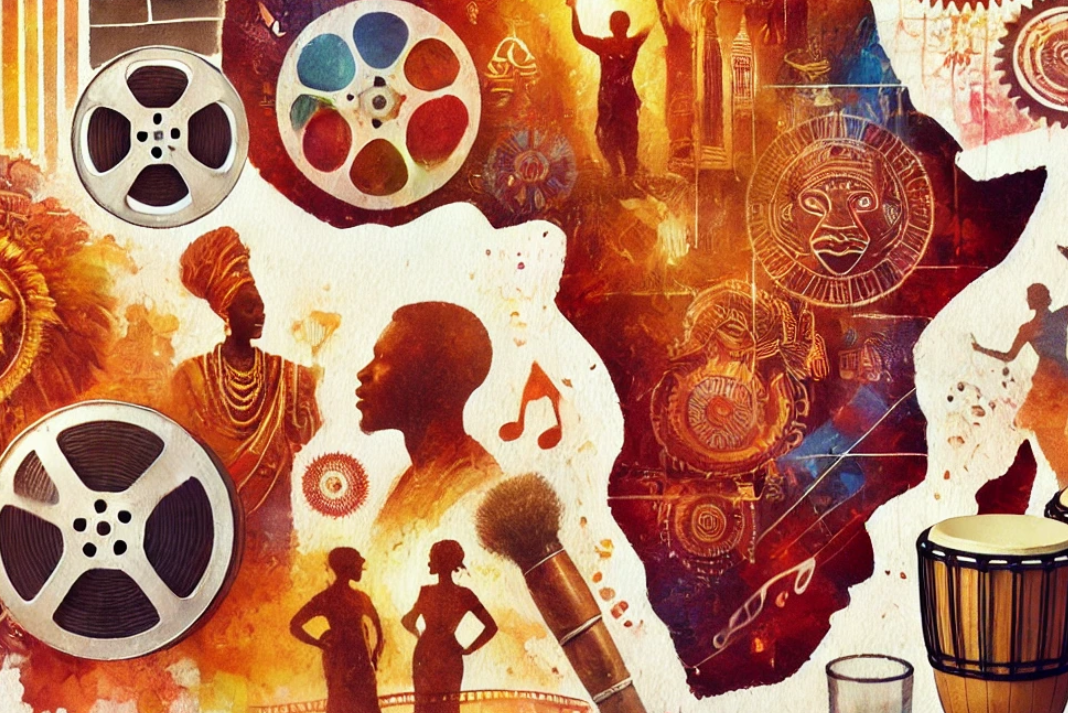
A surge in Africa’s creative industries underscores this transformation. Nollywood, Nigeria’s prolific film sector, has become the world’s second largest by volume, reaching audiences from Latin America to the Caribbean. Through stories of resilience, migration, and social justice, these films foster empathy and heighten international awareness of African experiences—achievements that traditional diplomacy often struggles to replicate.
Music provides another window into Africa’s expanding influence. The global success of Afrobeats, Amapiano, and related genres—led by stars like Burna Boy, Wizkid, and Angelique Kidjo—demonstrates how African rhythms enrich mainstream Western music. Beyond commercial triumphs, these collaborations reflect cultural exchange as a vital diplomatic tool, deepening mutual understanding and strengthening global ties with African nations.
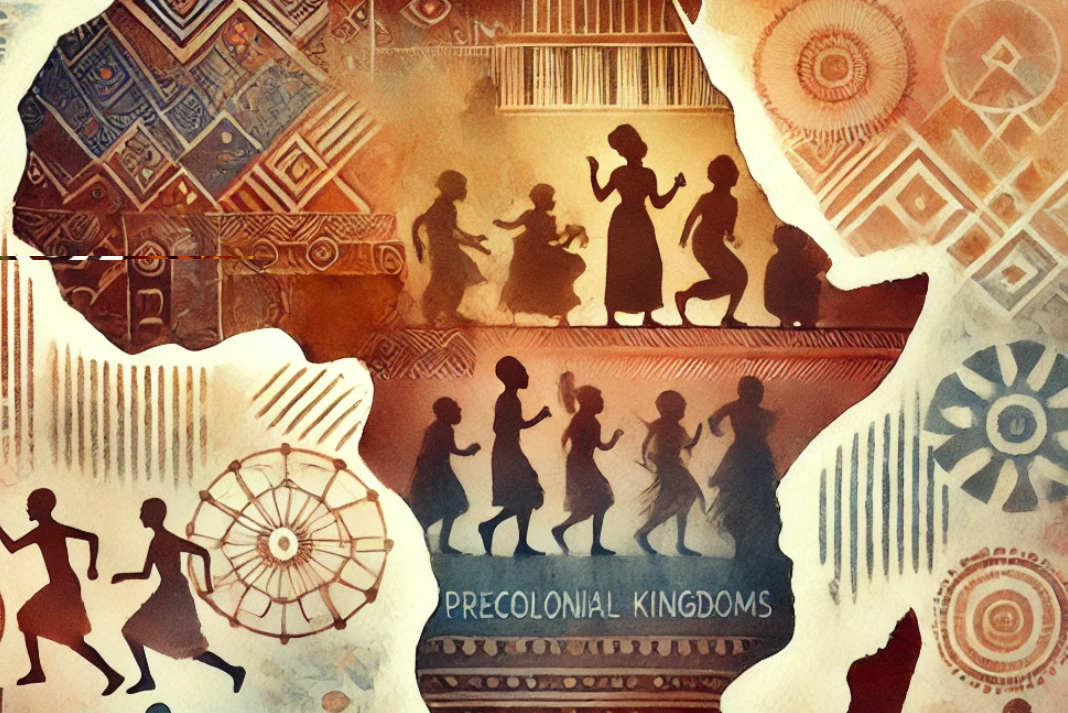
Equally significant is the role of storytelling, which has long been central to African heritage. Whether in literature or digital content, African storytellers now help shape global discussions on identity, post-colonialism, and economic growth. Institutions such as the African Union (AU) increasingly draw upon these narratives for policy campaigns, casting Pan-African unity and self-determination as core themes.
Meanwhile, digital platforms—from YouTube to Netflix to TikTok—offer young African creators the means to bypass conventional media constraints and speak directly to global audiences. In an era marked by online misinformation, controlling one’s narrative becomes a crucial diplomatic act.
Formal cultural diplomacy also flourishes. Countries including Morocco, Ghana, and Ethiopia invest in cultural exchange programs, art exhibitions, and diaspora engagement initiatives to bolster international relationships. African art in major museums worldwide—displayed as contemporary works, not simply “discovered” artifacts—underscores Africa’s evolving role in the cultural arena. Similarly, UNESCO partnerships and the return of artifacts such as the Benin Bronzes signal an increasing recognition of Africa’s cultural importance. Beyond righting historical wrongs, these restitutions embody Africa’s reclaiming of its narrative and cultural authority.
The rewards of soft power are tangible. Successful cultural exports often translate into stronger trade partnerships, more robust tourism, and higher foreign investment. Rwanda, for instance, merges effective governance with cultural diplomacy by hosting prominent sporting and cultural events, thereby raising its global profile. Senegal’s Dakar Biennale similarly positions the country as a leading center for artistic dialogue.
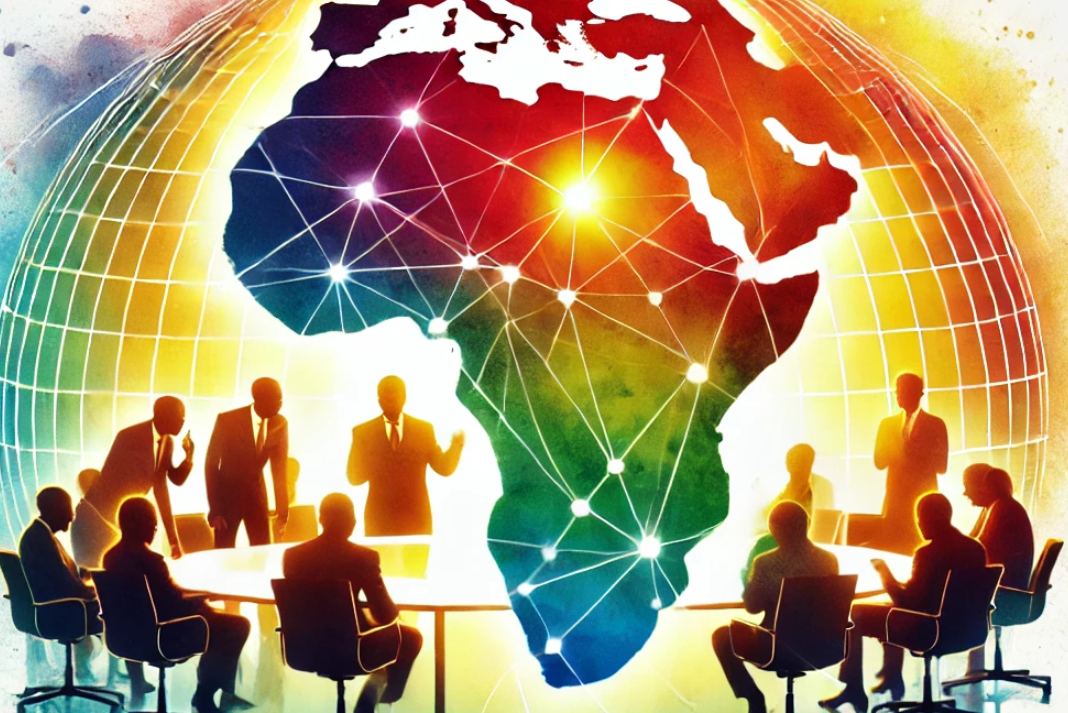
At a broader level, initiatives like the African Continental Free Trade Area (AfCFTA) highlight cultural diplomacy’s role in unifying the continent. Trade pacts have ramifications beyond economics alone; they also anchor shared historical connections and values. Thus, African soft power not only shapes global perceptions but also underpins valuable diplomatic and commercial gains.
In essence, Africa’s emerging cultural influence reflects a deliberate recalibration of its international relations strategy. Arts, music, and storytelling are fast becoming indispensable tools for shaping narratives, deepening diplomacy, and establishing Africa’s prominence in the global order. As cultural bridges supplant longstanding geopolitical divides, African nations demonstrate that real influence extends beyond resources or weaponry—encompassing the stories they share, the rhythms they spread, and the heritage they champion.