
In recent decades, cultural diplomacy has gained prominence as a key method for fostering mutual understanding and easing tensions worldwide. Nowhere is this more evident than in Africa, where music, dance, and heritage—steeped in oral tradition and collective expression—have proved uniquely effective in promoting dialogue and consensus. As global negotiations grow ever more complex, these cultural assets offer African states a powerful diplomatic instrument: a means to bridge political divides and reinforce shared values.
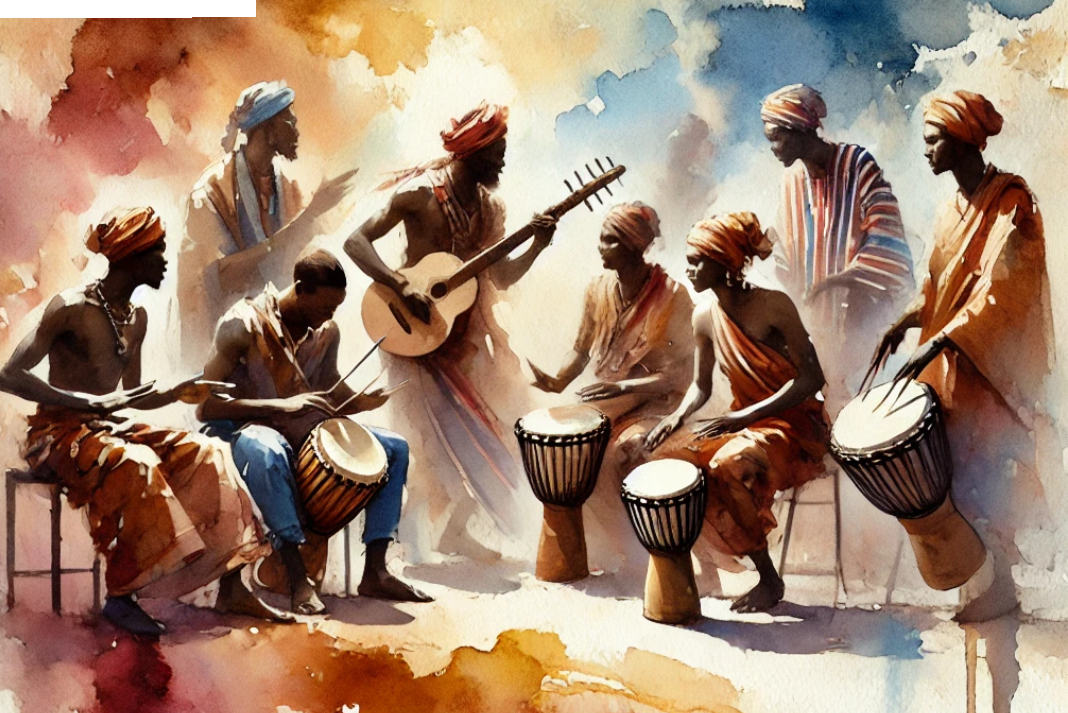
Music has traditionally served as a unifying force across Africa, traversing language and cultural barriers with ease. In diplomatic settings, incorporating African musical traditions can diminish formality, establish rapport, and highlight common human experiences. At various international conferences, Senegalese griot ensembles—often performing with the kora, a 21-stringed instrument—have set the tone at opening ceremonies, illustrating the shared significance of cultural heritage.
In another notable example, Zimbabwean mbira music has underscored high-level talks on cultural cooperation. Historically cherished by the Shona for its spiritual resonance, the mbira demonstrates how deeply rooted customs can unite countries with otherwise divergent political perspectives.
Dance in Africa transcends mere performance, functioning as a vehicle for storytelling, preserving historical memory, and reinforcing social cohesion. During official state visits, participating in Nigerian or Ghanaian dance rituals allows diplomats to move beyond protocol and engage in a cultural exchange that can break down barriers and foster an open atmosphere for dialogue.
Similarly, Rwandan intore dancers, traditionally linked to valour and unity, have performed at peacebuilding conferences following regional conflicts. These events showcase dance as part of the social fabric, emphasizing reconciliation and collective healing while inspiring empathy and a willingness to resolve disputes amicably.
Beyond music and dance, the broader spectrum of African cultural heritage—from oral storytelling to artisanal crafts—presents yet another avenue for constructive engagement. Exhibitions of historical artifacts or storytelling sessions by Malian griots and Ethiopian azmari poets at diplomatic summits can transcend adversarial bargaining and instead cultivate emotional ties among delegates.
Such heritage-centric diplomacy is especially influential in multilateral forums. By stressing shared values—respect for elders or communal solidarity, for instance—African delegations often guide discussions toward collaboration. In doing so, they underscore Africa’s leadership role: rather than simply receiving external peacekeeping support, African states help shape frameworks for conflict resolution.
Africa’s place in international affairs is rapidly expanding beyond observation or regional problem-solving. Through carefully orchestrated displays of music, dance, and cultural heritage, African nations are demonstrating their capacity to innovate in diplomacy. These artistic elements do more than enrich ceremonial proceedings; they create environments that facilitate trust, bridge ideological gaps, and identify common objectives.
As the global community tackles issues—from resource distribution to public health crises—that demand collective action, cultural diplomacy stands out as an effective tool for African nations to wield influence and forge alliances. By showcasing their diverse cultural landscapes, African states affirm that sustainable peace arises not just from formal agreements, but also from those intangible bonds uniting societies across borders.
In this way, Africa’s “rhythms of peace” resonate far beyond the performance hall, fuelling negotiation processes and reminding the world that beneath policy differences lies a shared commitment to harmony and respect for all.