
Africa’s borders—largely imposed by colonial powers in the late 19th and early 20th centuries—remain a contentious legacy of imperial rule. Arbitrary lines split ethnic groups, merged rival communities, and overlooked natural geographic markers. These divisions fuel present-day political conflicts and economic challenges, yet a growing movement seeks to transcend these artificial boundaries through a renewed emphasis on cultural and historical identities.
The 1884–85 Berlin Conference, where European nations divided the continent with scant regard for local sociopolitical structures, left countries like Nigeria, Cameroon, and the Democratic Republic of the Congo saddled with deeply fragmented identities, while others—such as the Somali people—were scattered across multiple states. Post-independence leaders, anxious about potential upheaval, preserved colonial borders under the Organization of African Unity’s (OAU) principle of uti possidetis juris. Although pragmatic, this stance ignored cultural and historical complexities still resonant in many African societies.
Rather than contest borders through territorial claims, some African communities focus on cultural and economic integration. Regional blocs, including the East African Community (EAC) and the Economic Community of West African States (ECOWAS), promote free trade and open movement, reducing the daily impact of borders on people’s lives. Cross-border ethnic groups such as the Maasai of Kenya and Tanzania or the Tuareg of the Sahel illustrate how cultural continuity can supersede political divisions.
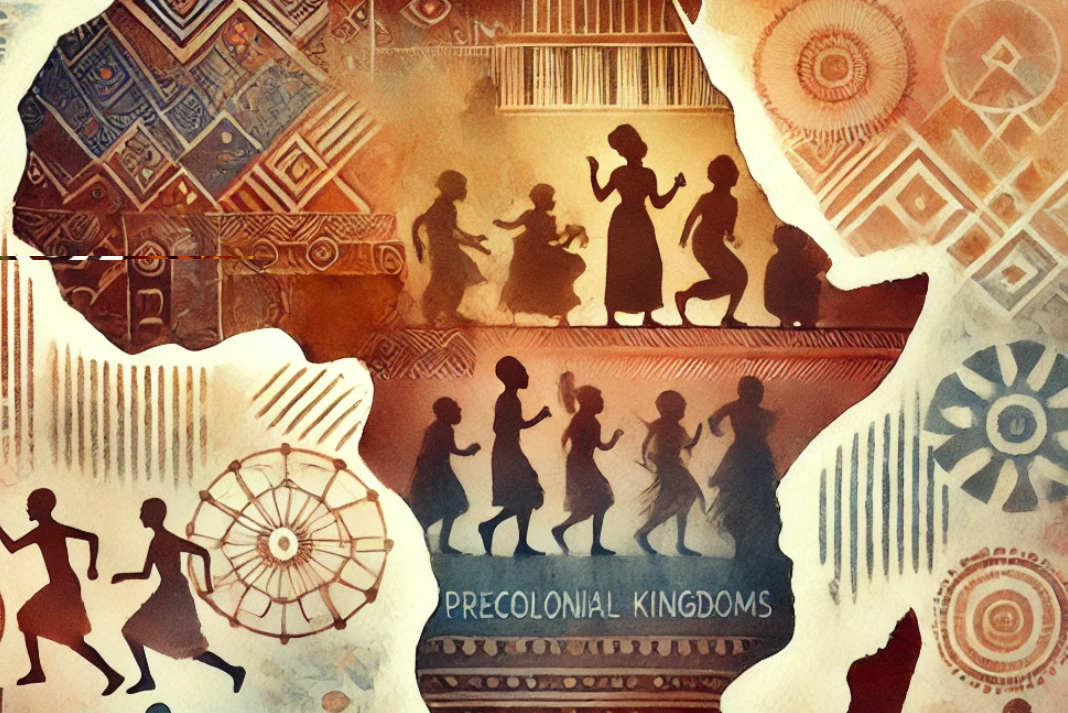
Initiatives bridging these frontiers include digital mapping projects that highlight ethnic, historical, and linguistic links across Africa. Organizations like the Pan-African Movement for Border Reconciliation lobby for recognizing precolonial governance structures—exemplified by former kingdoms like Mali, Ashanti, and Buganda—more aligned with local realities than modern, colonial-era states.
Africa’s embrace of regional cooperation further diminishes the rigidity of political borders. The African Continental Free Trade Area (AfCFTA), the world’s largest free trade pact by membership, aims to transform boundaries into conduits for economic exchange. Meanwhile, cultural festivals—such as FESPACO in Burkina Faso or Lake of Stars in Malawi—foster cross-border identities through shared artistic endeavors, challenging colonial-era notions of territorial separation.
Although the continent’s political map remains largely unchanged, Africa’s emerging cultural landscape is redrawing its own lines of connection. Through regional integration, cultural revival, and flexible economic frameworks, African nations prove that borders need not impede unity. Whether these shifts will ever fully align with political boundaries remains uncertain, but one truth emerges: Africa’s maps are more than static lines—they are reflections of people, heritage, and an evolving sense of collective identity.