
From peacekeeping to trade pacts, African nations are increasingly setting their own terms in world affairs. Long relegated to the fringes of global governance, the continent is forging alliances and homegrown frameworks that disrupt traditional power hierarchies. According to analysts, these developments are neither incidental nor fleeting; rather, they reflect shifting diplomatic goals, a surge in indigenous policy expertise, and a keen awareness of Africa’s expanding strategic influence.
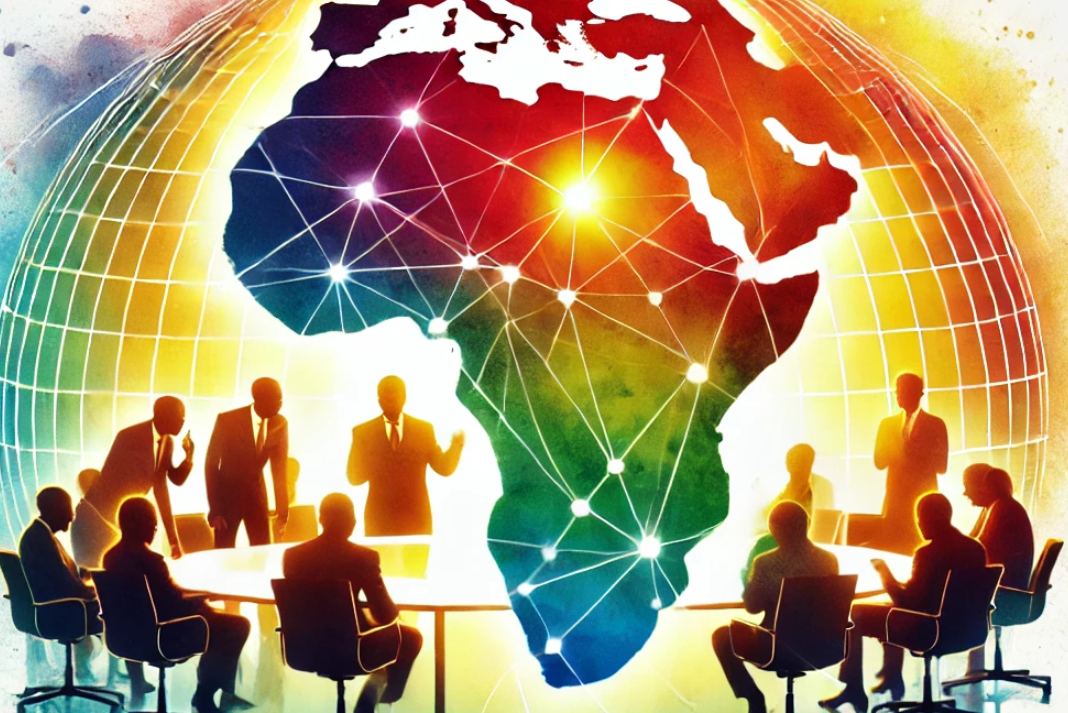
For decades, African states often straddled Western and Eastern blocs, turning to one power for development aid or another for security guarantees. Now, countries such as Nigeria, Kenya, and South Africa have embraced a multipolar strategy—engaging the United States, China, the European Union, and emerging regional players like India and Turkey. By diversifying alliances, these nations seek to reduce dependence on any single partner, maintain greater autonomy, and maximize economic and diplomatic gains.
Meanwhile, regional power brokers are making their mark. Ethiopia, for instance, acts as a key mediator in the Horn of Africa while pursuing major infrastructure ventures such as the Grand Ethiopian Renaissance Dam. In Central Africa, Angola’s oil resources bolster its growing role in both diplomacy and security. These examples signal a new phase of proactive coalition-building, demonstrating Africa’s determination to shape international agendas on its own terms.
Beyond external alliances, African governments are devising robust frameworks that transcend historical rivalries. The African Continental Free Trade Area (AfCFTA) stands out, uniting 55 member states in a single market. Proponents say it fosters economic growth and reduces trade barriers, though skeptics caution that limited infrastructure and policy differences could diminish its impact. Still, AfCFTA represents a clear aspiration to see African markets competing with other global trading blocs on more equal footing.
Africa’s heightened security role has further altered outside perceptions. Though historically the site of multiple peacekeeping efforts, the continent now fields its own forces. The African Union’s (AU) Peace and Security Council, for example, has expanded its conflict-resolution capabilities, while individual countries—most notably Rwanda—offer peacekeeping expertise around the globe. Funding issues persist, but these actions reflect Africa’s resolve to address its own security concerns, in contrast to a past largely dominated by external powers.
Driving much of this realignment are local policy specialists and think tanks situated in Accra, Johannesburg, and Addis Ababa. By generating evidence-based research on trade, security, and environmental challenges, these institutions are positioning Africa not just as a beneficiary of global policy but as a leading voice in shaping it. Their work upends any lingering notion that the continent’s primary role is to receive aid.
Taken together, these trends illustrate Africa’s shift from historical dependency toward growing influence within the global system. Through multipolar alliances, regional leadership, and internally crafted collaboration strategies, African nations are increasingly dictating the terms of their own engagement. Experts suggest that this evolution—set in motion by Africa’s rising tide of political and intellectual capital—may well define a multipolar world order in which the continent’s voice resounds loudly among those of established powers.