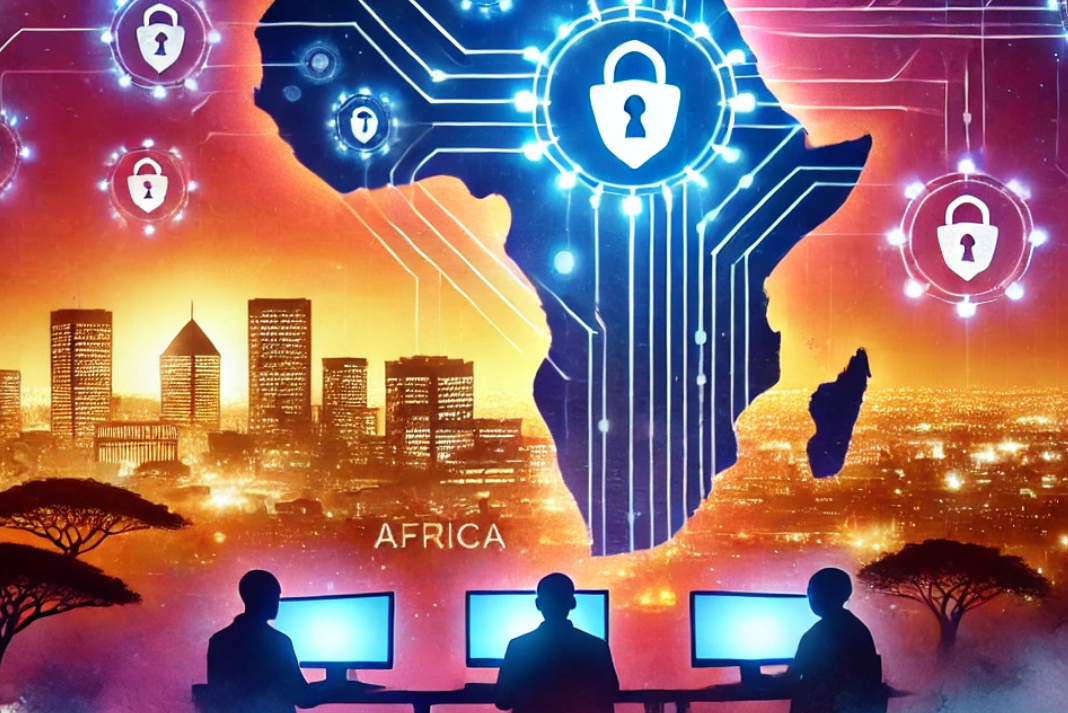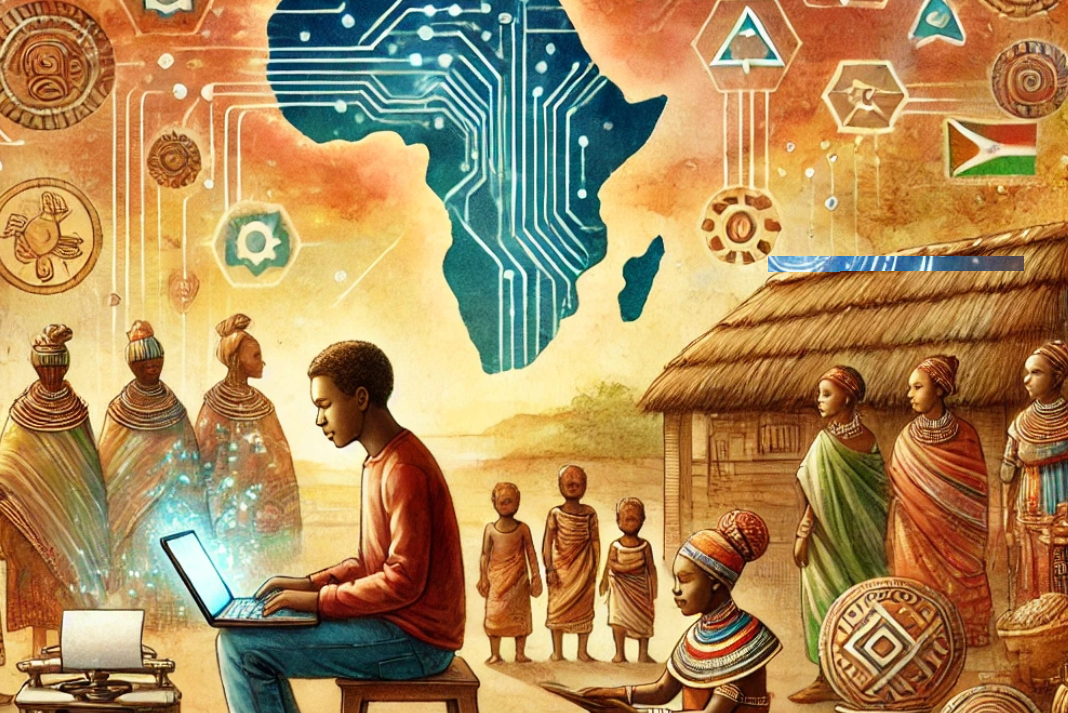

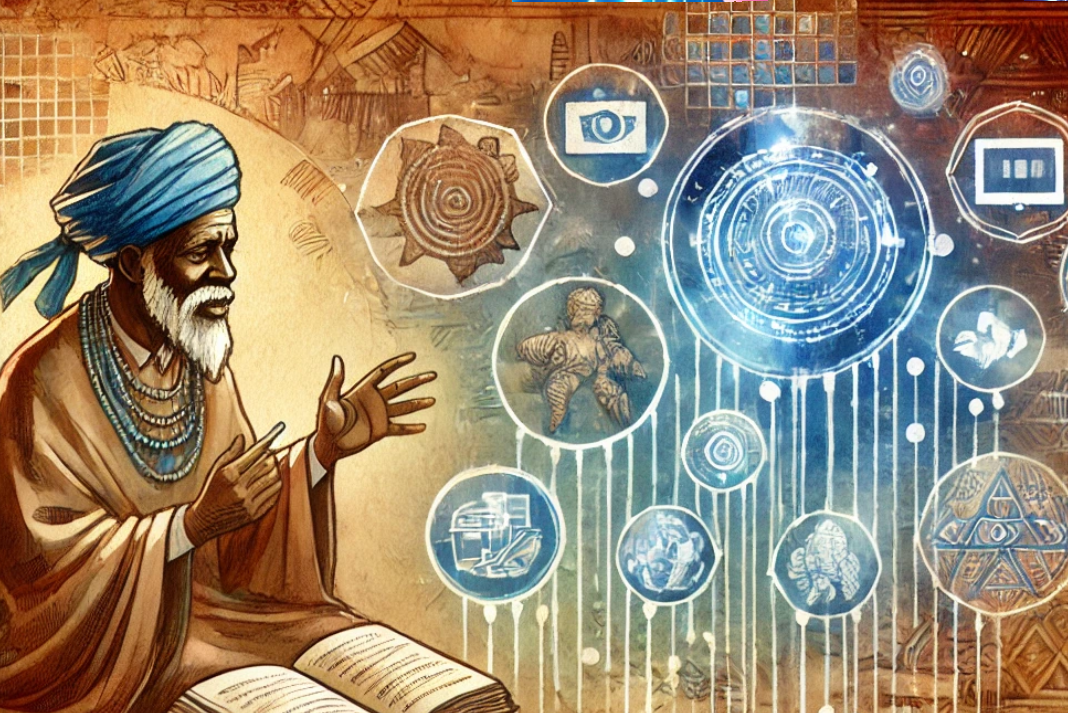
Africa’s cultural legacy is deeply intertwined with oral traditions—stories, folklore, and historical accounts passed down through generations. These narratives, once preserved by griots, elders, and community storytellers, are now being digitized to ensure their longevity. However, as Africa embraces digital archiving, it faces a new set of challenges: cyber threats, data sovereignty concerns, and the risk of digital erasure. The critical question now is: how can African nations secure their digital heritage while retaining control over their historical narratives?
The Digital Transformation of Oral Histories
Efforts to preserve Africa’s oral traditions in digital formats have gained momentum through initiatives led by universities, cultural institutions, and grassroots organizations. Notable examples include:
- The African Storybook Initiative, which offers digital storybooks in indigenous languages, helping to preserve both folklore and linguistic diversity.
- The Timbuktu Manuscripts Digitization Project, aimed at safeguarding ancient Islamic texts from Mali, many of which were at risk due to conflict and environmental degradation.
- UNESCO’s Memory of the World Program, which archives African oral traditions, ensuring they remain accessible for future generations.
While these projects mark a crucial step in conservation, they also present cybersecurity risks that could compromise data integrity, access control, and long-term preservation.
Cyber Threats to Africa’s Digital Heritage
As cultural archives transition to digital formats, they become vulnerable to a range of cyber threats:
1. Cyberattacks and Digital Manipulation
Hackers, politically motivated groups, or cybercriminals may target digital archives for various reasons, including:
- Data breaches, which can lead to unauthorized access or theft of sensitive cultural records.
- Ransomware attacks, where archives are encrypted and held hostage until payment is made.
- Defacement attacks, which could alter or erase historical records, potentially rewriting African history to suit external agendas.
2. Data Ownership and Digital Colonialism
Many African digital heritage projects rely on foreign technology providers and international partnerships. This raises serious questions about who controls and profits from Africa’s historical narratives:
- Cloud dependency: If African archives are hosted on foreign-owned cloud services, external entities could restrict access, impose fees, or monetize Africa’s cultural assets.
- Influence over content: Western-backed heritage programs may prioritize certain histories while neglecting indigenous perspectives, reinforcing existing biases.
3. Digital Decay and Technological Obsolescence
Unlike physical records, digital data is susceptible to technological shifts. Without regular updates and migrations, African oral histories stored today could become inaccessible within decades due to outdated file formats, unsupported software, or server shutdowns.
Strategies to Protect Africa’s Digital Heritage
To ensure the security and longevity of its digital archives, Africa must develop self-sustaining cybersecurity strategies and strengthen legal frameworks for cultural preservation.
1. Implementing Robust Cybersecurity Protocols
African institutions must invest in advanced cybersecurity measures to protect their digital repositories, including:
- End-to-end encryption to safeguard historical records from cyberattacks.
- Blockchain-based storage to ensure records remain tamper-proof and verifiable.
- Decentralized and African-owned cloud servers to reduce reliance on foreign tech giants.
2. Establishing Legal Safeguards for Digital Archives
Governments must develop laws that define data ownership and regulate the use of digital heritage assets. Key actions include:
- Ratifying the African Union’s Data Protection Convention, ensuring legal frameworks address digital heritage security.
- Implementing cultural data sovereignty laws, requiring African archives to remain under national or regional jurisdiction.
3. Investing in Indigenous Digital Archiving Solutions
Africa must develop its own infrastructure for digital preservation rather than depending on external entities. This can be achieved by:
- Creating national digital museums and repositories, allowing African nations to control their own historical records.
- Developing AI-powered transcription and translation tools to preserve oral traditions in native languages before they are lost.
- Funding homegrown tech startups that specialize in cultural heritage digitization and cybersecurity.
4. Community-Driven Digital Heritage Protection
The protection of oral histories should not be left solely to governments and institutions. Local communities must play an active role by:
- Training storytellers and historians in digital documentation techniques.
- Ensuring community access to archives, preventing cultural records from being monopolized by elite institutions.
- Encouraging digital storytelling initiatives, where younger generations engage in preserving and sharing traditional narratives online.
Balancing Digital Innovation with Cultural Integrity
As Africa advances its efforts to digitize oral histories, it must carefully navigate the balance between technological innovation and cultural sovereignty. Moving forward, African nations must:
- Protect digital archives from cyber threats, manipulation, and data loss.
- Ensure cultural data sovereignty, preventing foreign entities from exploiting historical records.
- Empower local communities to take ownership of digital preservation efforts.
Africa’s oral histories are more than just stories—they are living records of identity, resilience, and wisdom. In an era of rapid digital change, securing these histories is not just a technological necessity but a cultural imperative.