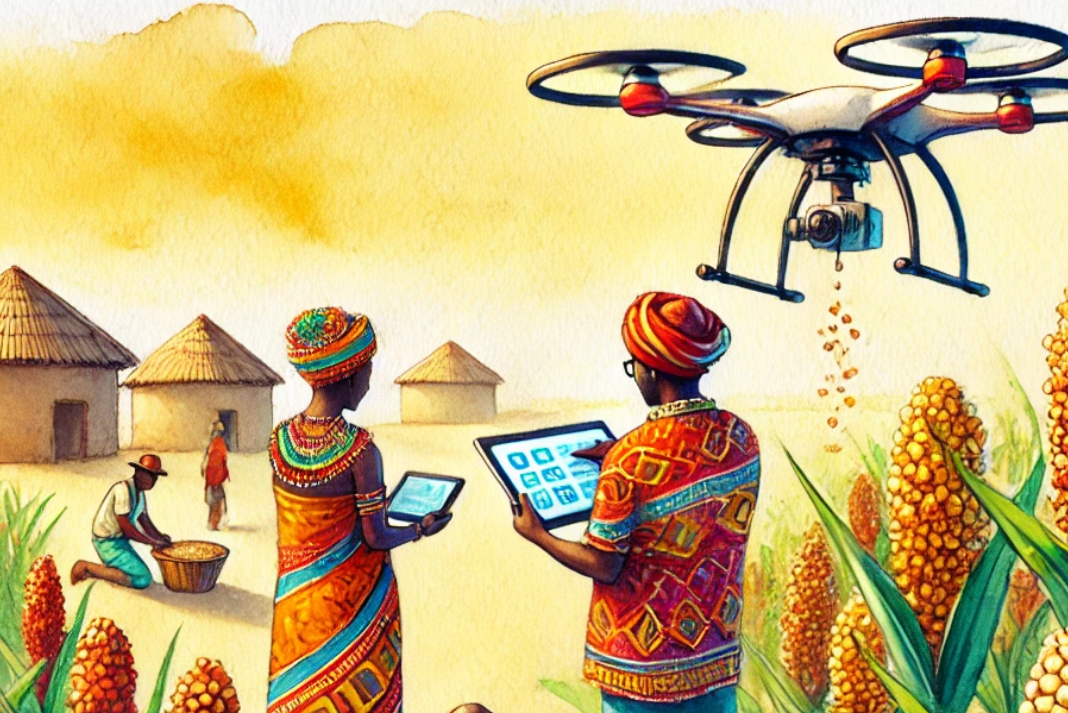

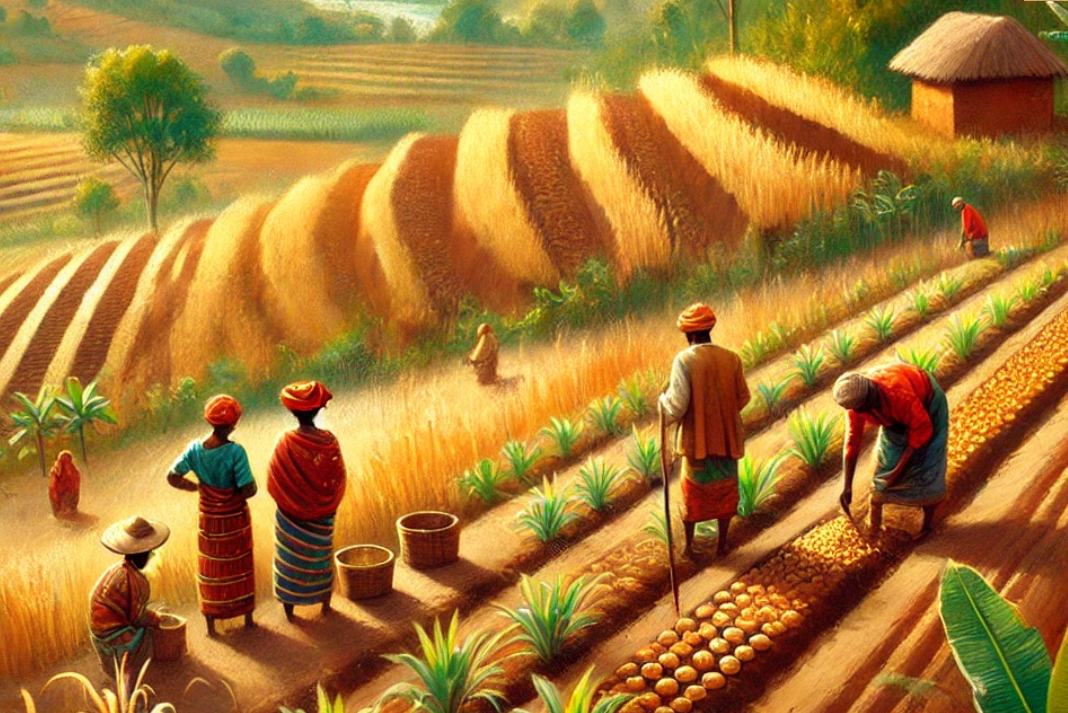
Modern industrial methods often dominate conversations on food security and productivity. Yet in Africa and other historically agrarian regions, traditional practices—refined over centuries—continue to sustain communities through a harmonious blend of ecological foresight, resilience, and cultural identity. As climate change intensifies and global markets expand, a key question arises: can these proven methods coexist with the growing demands of modernization?
The Roots of Resilient Farming
Before the arrival of commercial fertilizers, mechanized tools, and genetically modified seeds, indigenous communities-maintained food security and environmental balance through highly adaptive farming systems. Although sometimes dismissed as outdated, these approaches are showing renewed value in an era marked by extreme weather, soil depletion, and resource constraints.
- Intercropping and Agroforestry
- Intercropping: Unlike monoculture, which depletes soils and boosts pest vulnerability, many traditional communities plant complementary crops side by side. In West Africa, for instance, maize, beans, and cassava thrive together, replenishing soil nutrients without the heavy reliance on synthetic inputs.
- Agroforestry: Time-honoured techniques blend trees with crops to form mutually beneficial ecosystems. In the Sahel, the Faidherbia albida tree sheds leaves during the rainy season, returning nitrogen to the soil and conserving moisture—a natural safeguard against drought.
- Seed Preservation and Indigenous Crops
- Seed Banks and Exchanges: In a landscape increasingly shaped by hybrid and genetically modified varieties, indigenous seed-saving traditions ensure biodiversity and independence for local farmers. Institutions like the Zambian National Gene Bank and Ethiopian community seed exchanges keep robust, locally adapted crops accessible.
- Climate-Resilient Grains: Staple grains such as sorghum, millet, and teff thrive in Africa’s arid and semi-arid conditions, offering both nutritional and economic benefits. They challenge the dominance of water-intensive wheat and rice and support a more self-sufficient food system.
- Water Conservation Techniques in Drylands
- Zai Technique: Popular in Burkina Faso and Niger, small planting pits filled with organic matter trap rainwater and restore soil fertility, revitalizing land long thought unusable.
- Terracing: Practiced for centuries in Ethiopia’s highlands, terraces deter soil erosion while maximizing water retention, leading to consistent harvests in challenging environments.
- Natural Pest Control and Soil Health
- Companion Planting: Certain plants repel pests while beneficial insects help manage infestations, reducing reliance on chemical pesticides.
- Push-Pull Technology: In Kenya’s Rift Valley, strategic planting of desmodium around maize “pushes” pests away, attracting beneficial insects that prevent outbreaks—an eco-friendly solution rooted in traditional knowledge.
Can Tradition and Modernization Coexist?
The surge in mechanized, industrial-scale agriculture threatens indigenous practices that often favour smallholder farmers and localized food systems. Yet a number of experts and policymakers acknowledge the need to combine traditional wisdom with scientific innovation. Projects like EcoFarm in Ghana and the Indigenous Food Systems Network in Kenya highlight how heritage-based methods can adapt and scale to meet modern demands.
A Path Forward: Merging Tradition and Innovation
- Policy Recognition: Governments should formally include indigenous knowledge in national agricultural and climate strategies.
- Scientific Collaboration: Research institutions can refine and expand these practices in partnership with local communities.
- Market Access: Farmers who use sustainable traditional techniques need better links to both domestic and global markets.
- Youth Engagement: Encouraging younger generations to embrace traditional farming as a progressive, dignified profession is essential for sustainability.
Conclusion: Reviving the Wisdom of the Land
Indigenous agriculture transcends basic food production—it safeguards cultural identity, ensures environmental stewardship, and secures long-term food resources. As Africa confronts the dual demands of feeding a growing population and tackling climate challenges, time-honoured farming methods offer strategic advantages modern systems alone may not match. The question is not whether these practices can survive, but how they can be fortified and adapted to nourish the future.