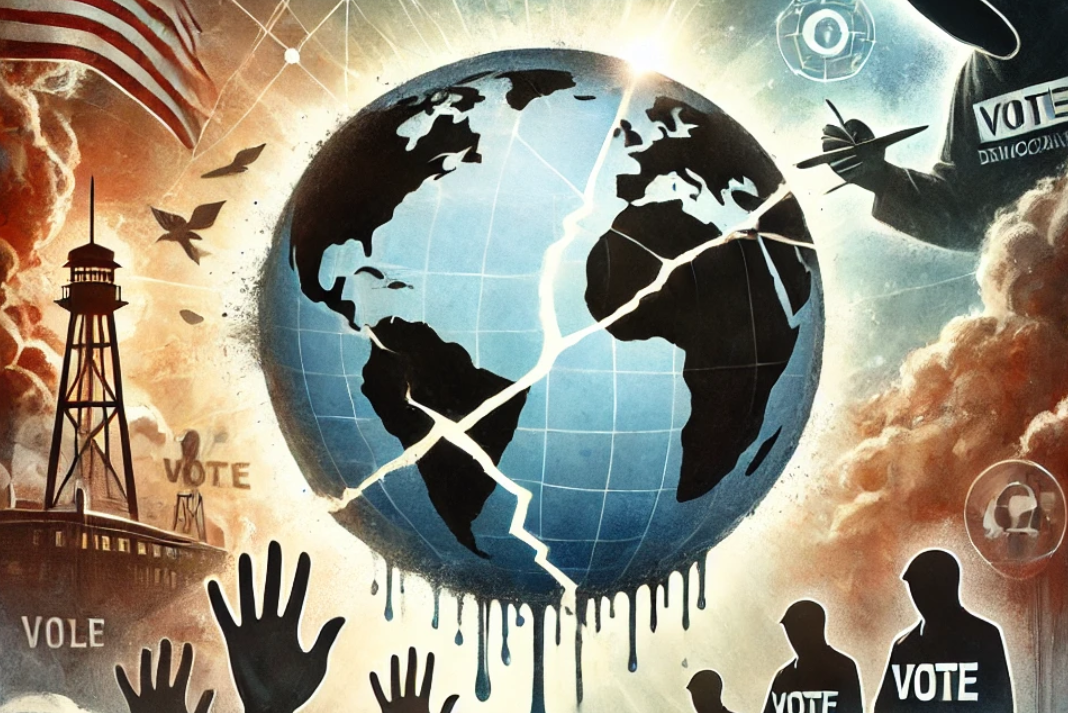


In a move that has sparked intense debate, President Donald Trump has signed an executive order pausing the enforcement of the Foreign Corrupt Practices Act (FCPA), a pivotal U.S. law designed to combat corporate bribery abroad. Enacted in 1977, the FCPA has long served as a cornerstone of American anti-corruption policy, holding corporations accountable for illicit dealings with foreign officials. However, this latest decision has reignited tensions between economic pragmatism and ethical governance, raising concerns about its broader implications for global business standards.
On February 10, 2025, President Trump signed an executive order titled “Pausing Foreign Corrupt Practices Act Enforcement to Further American Economic and National Security.” The order instructs Attorney General Pam Bondi to halt new FCPA investigations and enforcement actions for 180 days, during which time existing regulations will be reviewed and potentially restructured. The Attorney General may extend this pause by an additional 180 days, if deemed necessary.
The administration contends that the FCPA has been “stretched beyond proper bounds”, arguing that its enforcement undermines American competitiveness and national security interests. The order further suggests that an overzealous application of the FCPA places U.S. companies at a disadvantage against international competitors who are not subject to similar anti-bribery restrictions.
While the administration frames this as a move to protect American businesses, critics see it as a major rollback of corporate accountability, potentially normalizing bribery as a standard business practice in high-risk markets.
For U.S. multinational corporations, this policy shift presents both opportunities and risks.
On one hand, suspending FCPA enforcement may reduce legal liabilities for firms operating in corruption-prone regions, allowing them to compete more aggressively against rivals who engage in questionable business tactics. However, the long-term costs could be far greater.
Implications for Corporate America
- A Surge in Unethical Practices? Critics warn that this pause could trigger a “race to the bottom”, where companies ramp up bribery schemes to secure contracts, dismantling decades of progress in global anti-corruption efforts.
- Reputational Damage: American firms risk eroding trust with investors and consumers, many of whom demand ethical governance and corporate responsibility.
- International Fallout: Key allies and trade partners, particularly in Europe and Asia, may react negatively, potentially enacting stricter anti-corruption measures that put U.S. companies at an even greater disadvantage in the long run.
A Look Back: High-Profile FCPA Cases and Their Impact
Historically, the FCPA has been instrumental in exposing corporate corruption, leading to landmark settlements and forcing companies to adopt stringent compliance measures. Some of the most notable cases include:
- Goldman Sachs (2020) – Paid $2.9 billion in penalties for its role in the 1MDB scandal, where executives helped Malaysian officials embezzle billions through bribery schemes.
- Walmart (2019) – Settled for $282 million after bribing officials in Mexico, Brazil, China, and India to expedite store approvals.
- Halliburton (2017) – Fined $29.2 million for making illegal payments to secure contracts in Angola.
- Microsoft (2019) – Paid $25.3 million in penalties after its subsidiaries engaged in bribery to win government contracts in Hungary, Saudi Arabia, Turkey, and Thailand.
- Pfizer (2012) – Fined $60.2 million for making improper payments to foreign officials in multiple countries to boost pharmaceutical sales.
These cases underscore the vital role of FCPA enforcement in deterring corporate misconduct. The key question now is: Without the FCPA as a safeguard, will similar violations go unchecked?
Corruption Hotspots: A Dangerous Opening for Corporate Misconduct?
The timing of this FCPA suspension is particularly concerning given that Transparency International’s 2024 Corruption Perceptions Index has flagged the following nations as the world’s most corrupt:
- South Sudan
- Somalia
- Venezuela
- Syria
- Yemen
While previous FCPA enforcement cases have not prominently featured these nations, the suspension of anti-bribery enforcement could significantly impact how U.S. companies operate in these high-risk regions. Without the threat of legal action, firms may feel less restrained in engaging in unethical business practices in these markets.
The decision to halt FCPA enforcement marks a significant shift in U.S. corporate governance policy, with far-reaching implications for both American businesses and global anti-corruption efforts.
- Supporters argue that it will strengthen American companies, allowing them to compete more freely in global markets without the burden of excessive regulation.
- Critics warn that it legitimizes corporate bribery, setting a dangerous precedent that could undermine America’s reputation as a global leader in ethical business practices.
As the 180-day review period unfolds, the international business community will be watching closely. Will the U.S. reshape the FCPA to better align with national security and economic interests, or is this the beginning of a corporate free-for-all where corruption flourishes unchecked?
The next few months will be crucial in determining whether this policy shift is a temporary recalibration or a fundamental dismantling of corporate accountability in the United States.