
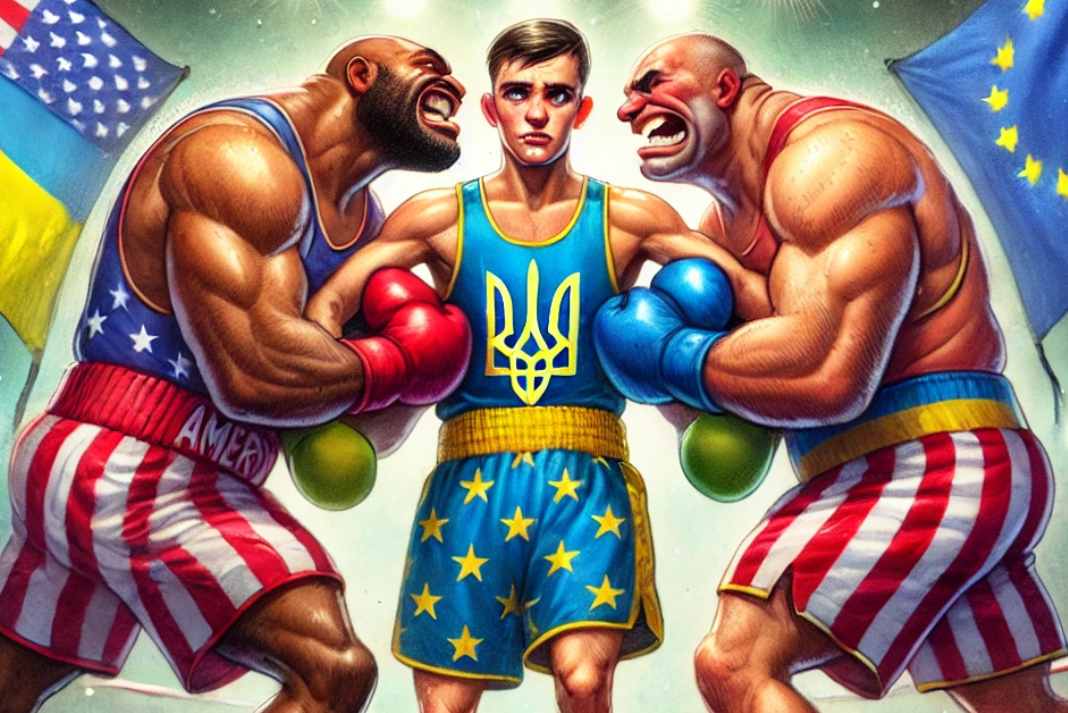
The much-anticipated Oval Office meeting between U.S. President Donald Trump and Ukrainian President Volodymyr Zelenskyy, intended to reinforce bilateral relations and finalise a crucial minerals agreement, instead spiralled into a dramatic public confrontation. The meeting, widely covered by the media, laid bare the growing rift between the two leaders and raised serious questions about the future of U.S.-Ukraine relations.
What began as a formal discussion quickly descended into an exchange of accusations. President Trump openly chastised Zelenskyy for what he perceived as a lack of gratitude for U.S. military aid and accused him of exacerbating tensions with Russia. His blunt remark, “You’re gambling with World War III,” underscored the severity of the disagreement.
Adding fuel to the fire, Vice President J.D. Vance aggressively criticised Zelenskyy, pressing him on Ukraine’s war efforts and repeatedly demanding that he acknowledge U.S. assistance. The tone of the meeting became increasingly confrontational, culminating in Trump’s abrupt termination of the minerals deal—an agreement that would have provided the U.S. with access to Ukraine’s rare earth minerals in exchange for financial relief.
The conversation revealed a stark imbalance in power. Trump and Vance adopted a domineering stance, with Trump asserting, “You don’t have the cards right now. With us, you start having the cards.” This transactional approach to diplomacy—where aid is seemingly conditioned on compliance and deference—was on full display.
Zelenskyy, for his part, attempted to articulate Ukraine’s precarious position, pushing back against calls for negotiation with Russian President Vladimir Putin. He cited past ceasefire violations and territorial aggression as reasons why diplomacy with Russia was futile. His arguments, however, were repeatedly dismissed, with Trump doubling down on the notion that Ukraine was prolonging the war at its own peril.
The fallout from this meeting was swift. Following the exchange, Trump declared Zelenskyy “not ready for peace” and signalled a shift in U.S. policy, suggesting that continued support for Ukraine might no longer be guaranteed.
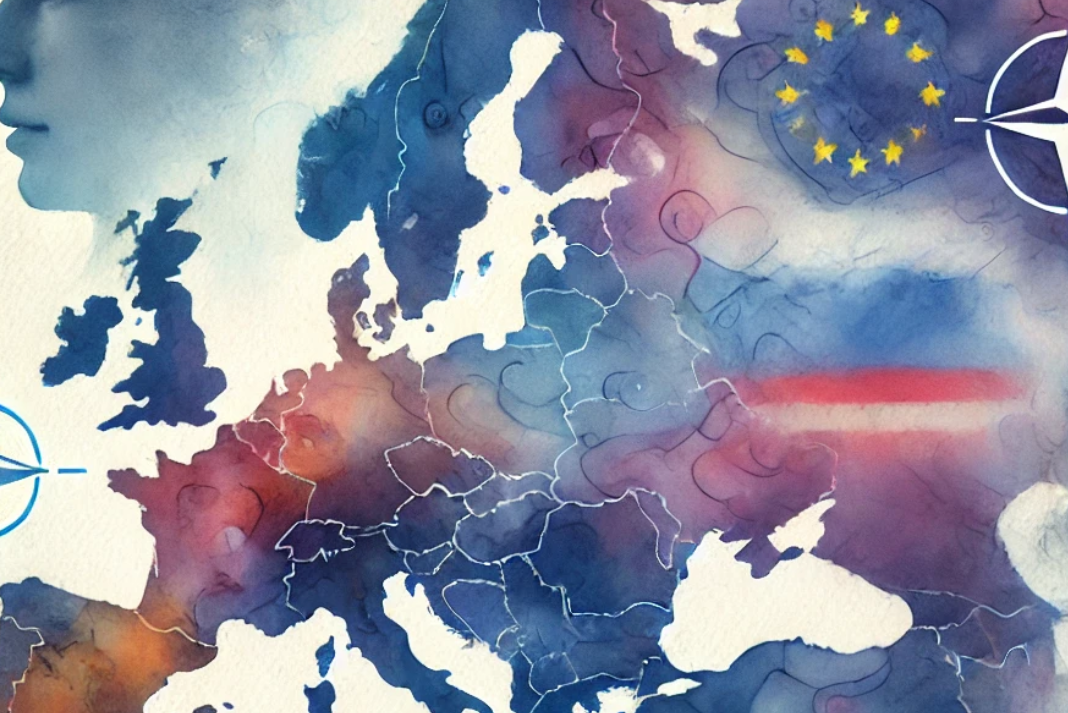
International reactions were immediate. European leaders, including French President Emmanuel Macron and UK Prime Minister Sir Keir Starmer, reaffirmed their commitment to Ukraine, highlighting the importance of standing firm against Russian aggression. However, the Oval Office debacle sent a troubling message to allies worldwide—if Ukraine, a nation at war, could be treated in such a dismissive manner, what did this signal for other U.S. partners?
Rather than a substantive diplomatic exchange, the meeting played out as a spectacle. Trump’s parting words, “Great television. I will say that,” hinted at an administration more concerned with optics than with strategic alliance-building. The public nature of the dispute suggested a deliberate effort to humiliate Zelenskyy rather than engage in constructive dialogue.
In the end, the meeting underscored a shift in U.S. foreign policy—one that prioritizes leverage over partnership, coercion over diplomacy. For Ukraine, it was a stark reminder that continued U.S. support may be increasingly uncertain and conditional.
As the dust settles, one thing is clear: this confrontation was not just about Ukraine but about the broader question of how the U.S. intends to engage with its allies in an increasingly volatile global landscape.