
Africa is widely recognised as the cradle of humankind, but could it also be where pivotal astronomical discoveries took root? This question prompts an in-depth look at ancient sites, oral traditions, and modern-day advances across the continent’s burgeoning space sector. By examining both history and cutting-edge research, we begin to see how Africa’s rich celestial heritage might inform its future.
A closer examination of archaeological evidence reveals Africa’s claim to some of the oldest known astronomical landmarks—yet these marvels often garner little more than footnotes in mainstream histories.
- Nabta Playa
Situated in the Nubian Desert for roughly 7,000 years, this prehistoric stone circle appears aligned with the summer solstice. Could these formations mark one of humanity’s earliest concerted attempts at mapping the night sky? - Ancient Egypt
Hieroglyphs and temple inscriptions have long intrigued scholars, but further analysis shows that the annual flooding of the Nile was forecast via a calendar based on the rise of Sirius. Remarkably, this 365-day framework still holds relevance in modern times. - Dogon Cosmology
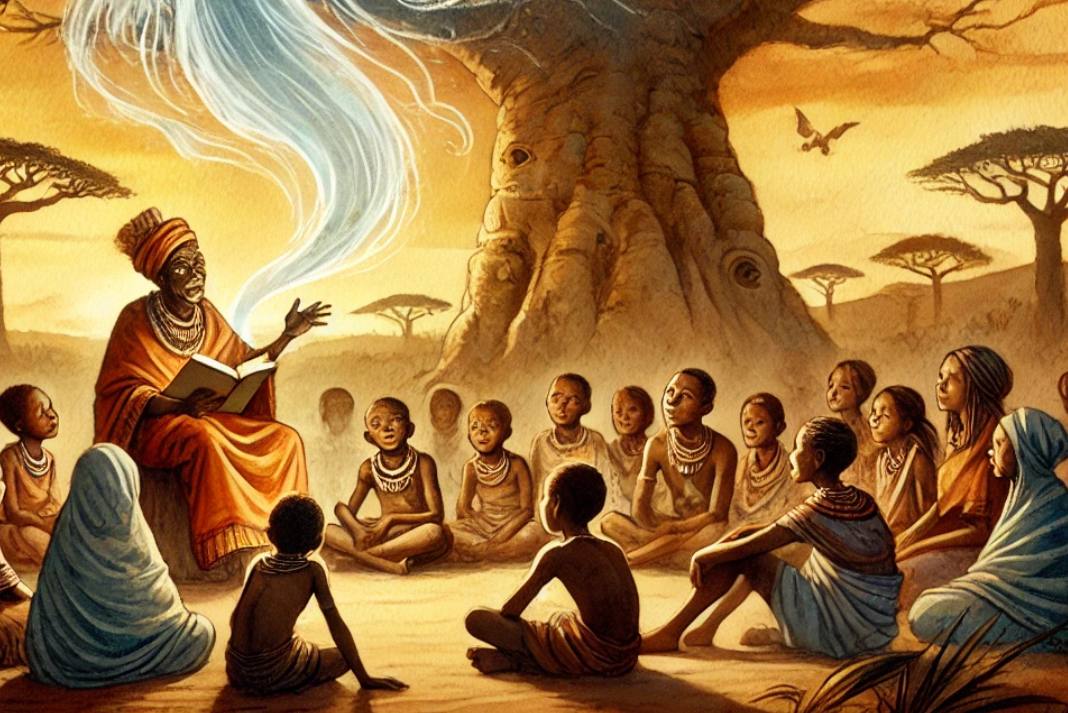
Oral traditions among Mali’s Dogon people point to the Sirius star system—including knowledge of the star Sirius B. How, precisely, did this intricate astronomical insight find its way into their cultural lore?
These civilisations looked skyward for more than ceremonial reasons. Their observations informed agricultural planning, guided social structures, and aided navigation. Which begs the question: How did such societies achieve—and retain—astronomical precision for centuries?
Even as Africa’s heritage spans millions of years, the continent continues to grapple with significant economic and social challenges. Why do certain longstanding cultural traditions disappear while others endure? And what effect does this cultural attrition have on future development?
This is where WaffiVibes enters the discussion, emphasising that real progress depends on recognising and integrating a society’s cultural roots—not casting them aside. Investigating megalithic sites or oral star lore isn’t idle nostalgia; these artifacts of knowledge may hold keys to both resilience and innovation. As Western influences gain momentum, it is worth asking whether traditional wisdom can serve as a catalyst for local growth, rather than remain an artifact of the past.
The notion that Africa lags in technology fails to withstand scrutiny—particularly within space research. A deeper exploration uncovers a continent at the forefront of scientific inquiry:
- Cutting-Edge Observatories
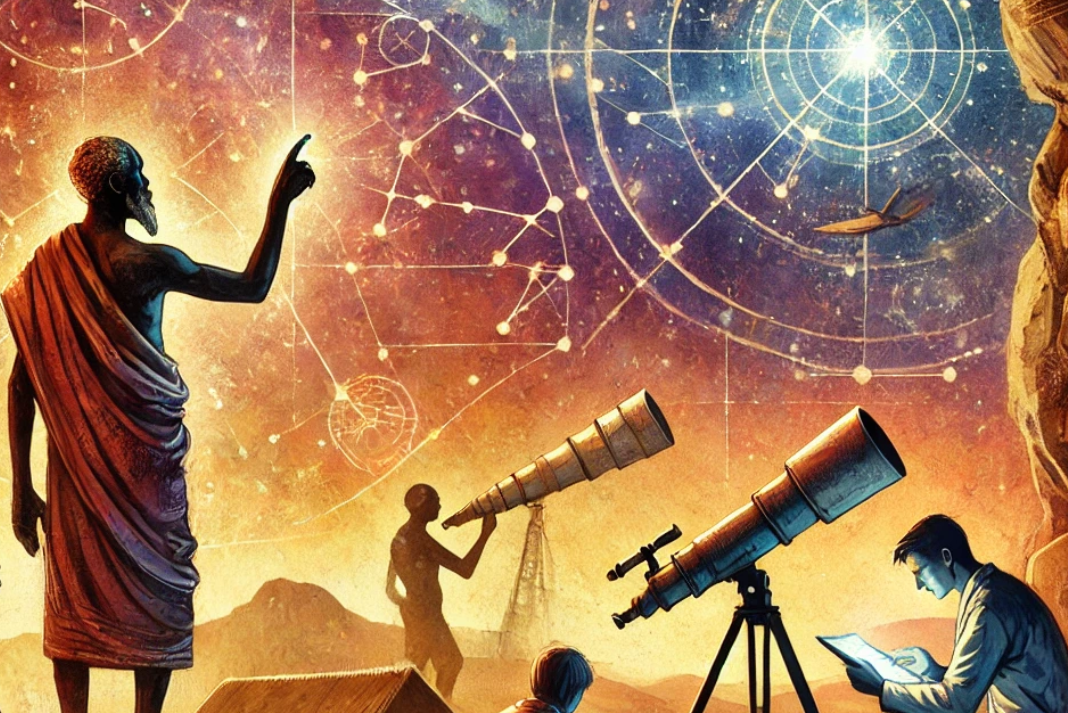
South Africa hosts the South African Astronomical Observatory, home to the Southern African Large Telescope (SALT), the largest optical telescope in the southern hemisphere. What groundbreaking insights might these advanced facilities yield next? - Square Kilometre Array (SKA)
As part of a global endeavour, the SKA—based partly in South Africa—will become the world’s largest radio telescope. Could it unveil new perspectives on dark matter or the formation of galaxies? - National Space Programs
Countries such as Nigeria, Ethiopia, and Egypt continue to invest in satellite technology. These satellites address tangible needs like weather tracking, agricultural planning, and communication services—contrary to the misconception that space exploration is a “luxury.”
By tracing such developments, a clear message emerges: African nations aren’t merely observing the cosmos; they are harnessing space-based research to tackle real-world challenges.
From decoding prehistoric stone circles to constructing state-of-the-art telescopes, Africa’s relationship with the cosmos extends across millennia. New discoveries consistently reveal that this legacy is more than an historical curiosity—it is shaping the continent’s role in global space science and potentially driving broader socioeconomic progress.
The next time you scan the night sky, consider the far-reaching African narratives that may lie behind those glittering stars. History, culture, and modern technology are converging in fascinating ways across the continent. Where this synergy leads—well, that remains one of the cosmos’s most compelling open questions.