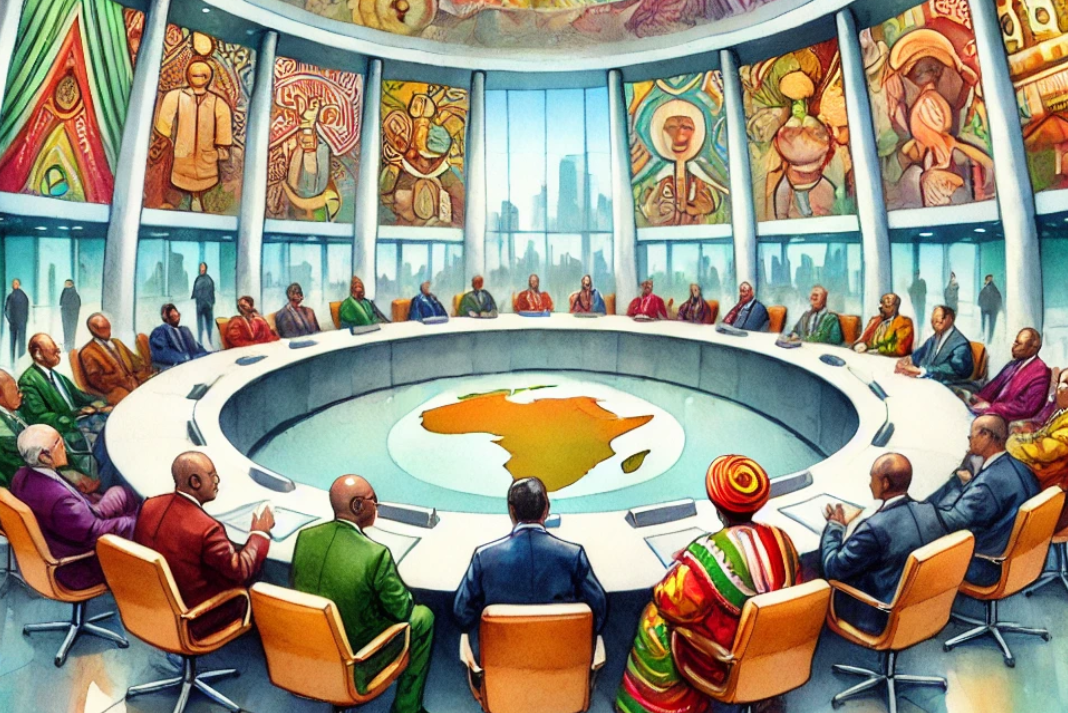

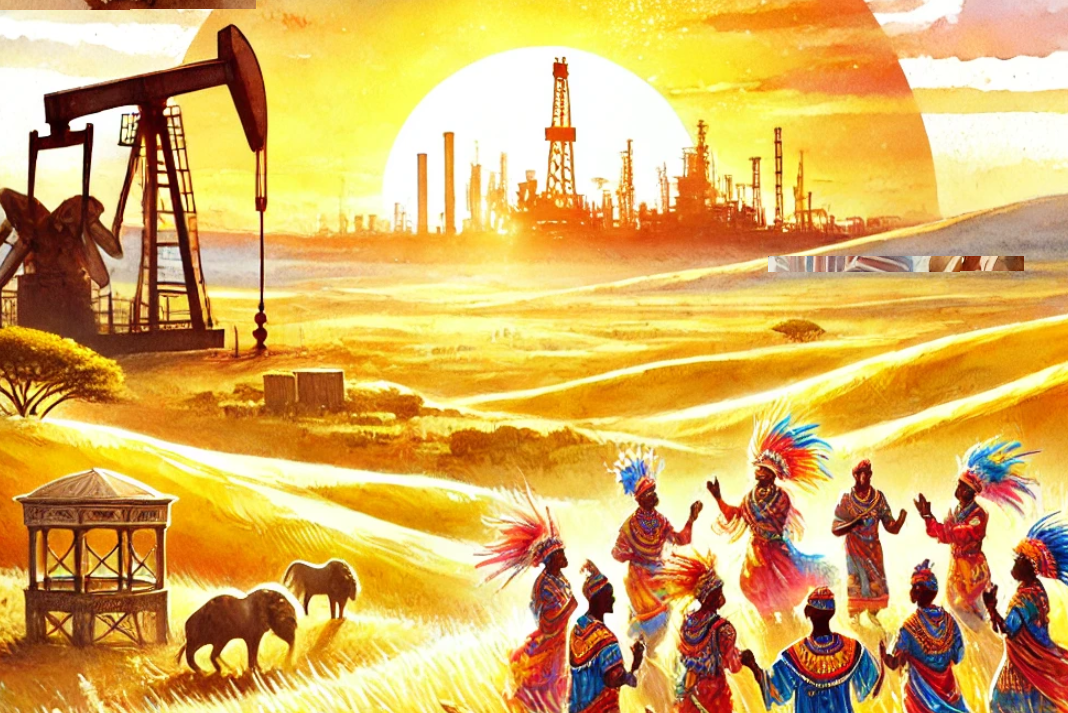
Africa’s vast natural wealth has long positioned the continent as a pivotal force in global geoeconomics. From Nigeria’s oil fields to the Democratic Republic of Congo’s (DRC) lithium reserves and Ghana’s gold deposits, Africa’s resources drive economies far beyond its borders. However, while resource extraction presents economic opportunities, it also poses a fundamental challenge: how can African nations harness their resource wealth for sustainable development while preserving their cultural and historical heritage?
As global demand for critical minerals, energy, and agricultural commodities surges, African states must navigate a complex balancing act. Strategic governance, value-driven policies, and an unwavering commitment to cultural preservation are imperative to ensuring that resource wealth benefits future generations.
Africa holds approximately 30% of the world’s mineral reserves, including over 60% of global cobalt supplies, a key component in renewable energy technologies and electric vehicle batteries. This endowment places Africa at the centre of the 21st-century energy transition, attracting investment from China, the United States, the European Union, and emerging economies.
Yet, historical patterns reveal that resource-rich African nations often suffer from the resource curse—a paradox where abundant natural wealth leads to economic instability, governance failures, and environmental destruction. Too often, resource extraction displaces local communities, disrupts cultural sites, and erodes traditional ways of life.
Case Studies in Resource Exploitation:
- Nigeria: The Niger Delta has endured extensive environmental degradation due to decades of oil extraction, threatening local fishing and farming communities and eroding their cultural traditions.
- DRC: Mining operations have encroached on sacred indigenous lands, raising ethical concerns about how resource exploitation can coexist with cultural preservation.
- Ghana: Unregulated gold mining has led to deforestation and water contamination, disrupting both ecological balance and long-standing traditional practices.
To avoid repeating these patterns, African governments must establish frameworks that convert resource wealth into sustainable development while safeguarding cultural heritage.
To transform resource wealth into lasting prosperity, African nations must adopt governance models that emphasise local value addition, environmental stewardship, and cultural preservation. Key policy directions include:
1. Resource Nationalism and Local Value Addition
- Instead of exporting raw materials, African states should invest in local processing and manufacturing. Botswana’s diamond beneficiation strategy, which ensures that diamond cutting and polishing occur domestically, serves as a model for generating employment and economic diversification.
- Governments should negotiate contracts that mandate local content policies, requiring foreign firms to reinvest in local communities, develop domestic supply chains, and uphold cultural heritage protections.
2. Sustainable Environmental Policies
- Cultural impact assessments should be integrated alongside environmental evaluations before approving major resource projects. This approach ensures that mining and drilling activities do not irreversibly disrupt sacred lands or traditional practices.
- Namibia and Kenya, renowned for their conservation efforts, exemplify how eco-conscious resource management can protect both heritage sites and economic interests.
3. Sovereign Wealth Funds for Cultural Investment
- Establishing sovereign wealth funds (SWFs) from resource revenues can finance cultural preservation, education, and infrastructure projects.
- Norway’s oil-funded SWF provides a blueprint for African nations seeking to secure economic stability while investing in cultural initiatives.
4. Cultural Diplomacy as Economic Leverage
- Cultural heritage itself is an economic asset. African nations can integrate their traditions, arts, and historical sites into global engagement strategies, fostering cultural tourism as a sustainable economic driver.
- UNESCO-recognized sites, such as Timbuktu in Mali and Great Zimbabwe, should be safeguarded even as resource exploration expands. A dual focus on resource wealth and cultural tourism can create diversified revenue streams.
While foreign direct investment (FDI) remains crucial to Africa’s economic growth, unchecked extraction risks deepening inequalities. To mitigate this, African nations must:
- Renegotiate extractive contracts to ensure multinational corporations respect indigenous land rights and uphold ethical mining standards.
- Empower local communities by granting them a direct stake in resource revenues, ensuring economic benefits extend beyond government elites.
- Establish legal protections for historical sites and indigenous lands to prevent unchecked exploitation from erasing cultural landmarks.
Tanzania exemplifies a balanced approach, simultaneously expanding its gold and tanzanite industries while promoting Swahili heritage, Serengeti conservation, and Maasai cultural tourism. This model illustrates that economic growth and cultural preservation can coexist.
As Africa’s resource wealth attracts global attention, the continent faces a defining moment. Decisions made today will shape whether future generations inherit an economically empowered, culturally vibrant Africa or one where short-term resource exploitation has left enduring scars.
For this balancing act to succeed, African nations must:
- Pursue resource-based industrialization while preserving cultural sites and traditional practices.
- Negotiate equitable contracts that prevent exploitative extraction and prioritize domestic benefits.
- Strengthen regional cooperation through frameworks like the African Continental Free Trade Area (AfCFTA), which can help standardize resource management policies across borders.
Africa’s true wealth extends beyond its mines and oil fields—it resides in its people, traditions, and cultural legacy. A geoeconomic strategy that harmonizes resource abundance with cultural resilience will not only secure Africa’s rightful place in global markets but also ensure that its identity remains intact, enduring, and influential.