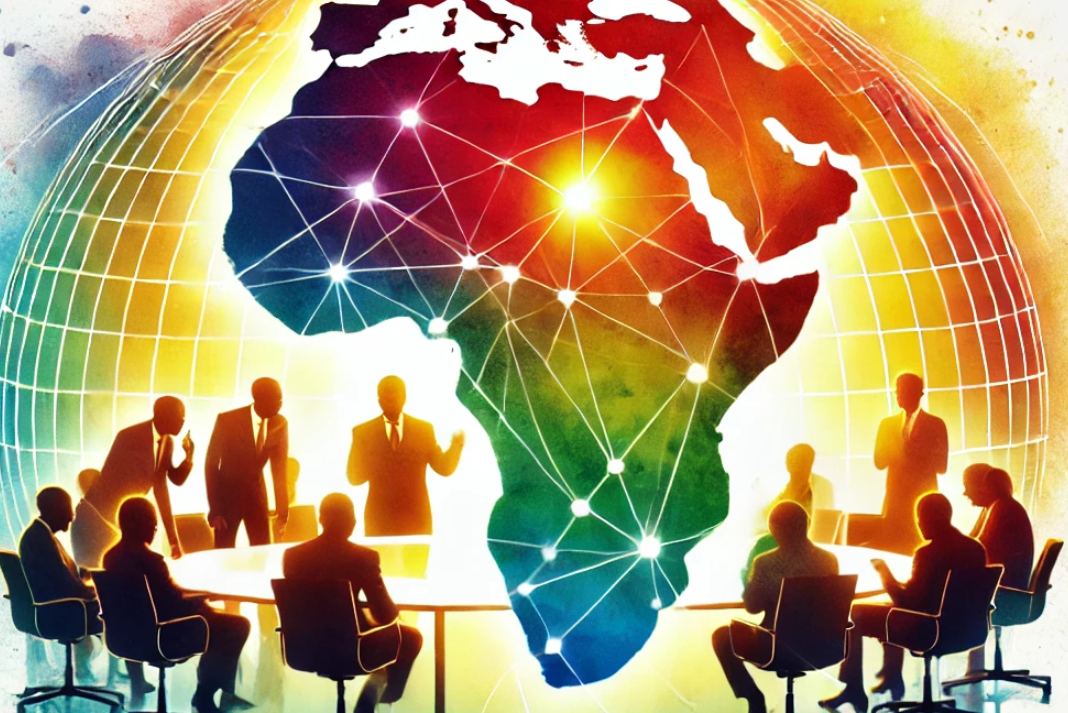

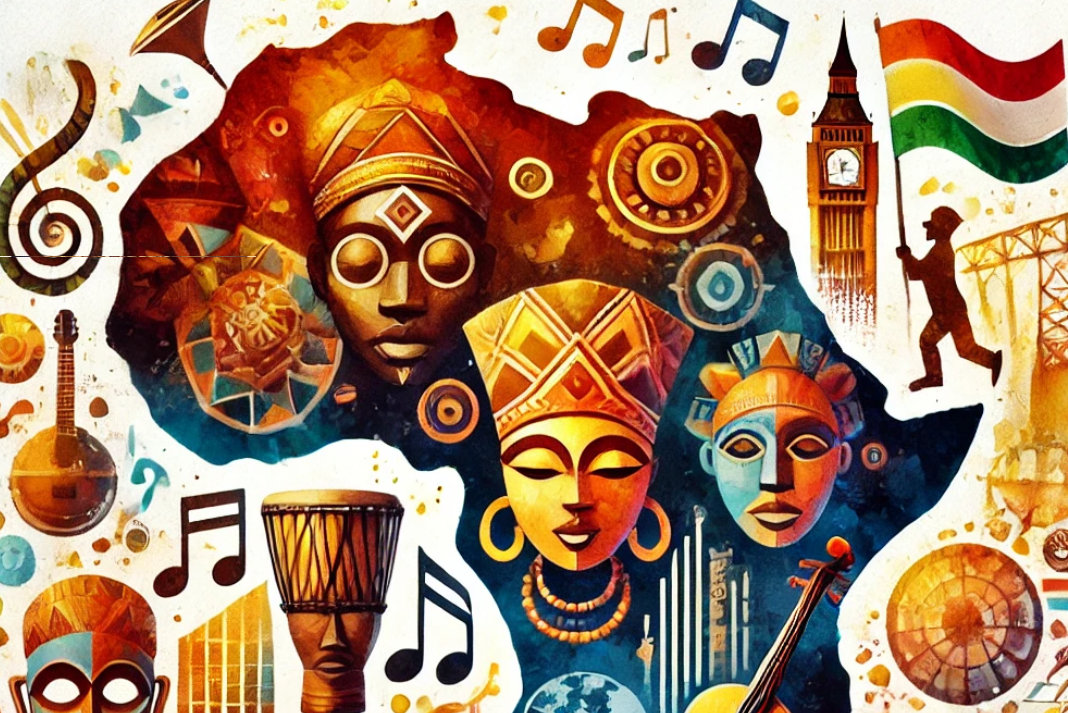
Amid the shifting alliances of global diplomacy, African nations face a particularly delicate challenge: safeguarding their cultural identities while advancing their strategic interests. As world powers compete for influence through infrastructure projects, trade agreements, and security pacts, African states must strike a balance. How can they maintain cultural sovereignty while engaging in the hardheaded realities of realpolitik? The answer increasingly involves targeted diplomacy, strategic economic positioning, and a heightened focus on cultural soft power.
Economic development in Africa has long depended on partnerships with external actors—partnerships that frequently involve ideological or cultural strings. China’s Belt and Road Initiative (BRI), for instance, has positioned Beijing as Africa’s largest trading partner, spurring debate over debt dependency and the consequences of deep Chinese engagement. Western states tie assistance to democratic reforms and human rights benchmarks, challenging local values and governance methods. Seeking to avoid overreliance on any single power, many African nations opt for a non-aligned or multipolar approach, cultivating economic and military relations with China, Western powers, and emerging actors such as Turkey, India, and Russia.
Africa’s abundant resources—including oil, gas, cobalt, and lithium—provide significant geopolitical influence. Yet leveraging these assets does not necessarily assure sovereignty. Effective strategies must safeguard local traditions, industries, and communities:
- Local Content Policies: Ghana and Nigeria require foreign companies to partner with domestic enterprises, ensuring benefits extend beyond political elites to local stakeholders.
- Cultural Clauses in Trade Agreements: By embedding cultural protections within pacts, nations like Senegal guard indigenous art, language, and customs against being overshadowed by global consumer culture.
- Tourism vs. Integrity: Countries such as Ethiopia and Tanzania limit commercial exploitation of heritage sites, maintaining authenticity while capitalizing on tourism’s economic potential.
In an environment where global narratives can sway political decisions, African states capitalize on cultural influence to bolster their standing:
- Nollywood & Afrobeats: Nigerian film and music industries serve as cultural ambassadors, reshaping external perceptions of Africa and challenging dated stereotypes.
- Cultural Diplomacy Through Institutions: South Africa and Morocco expand their global reach by promoting language and cultural institutions abroad. In East Africa, the rising prominence of Swahili strengthens regional identity.
- Repatriating Artifacts: Efforts to retrieve African artifacts from European museums underscore a broader assertion of cultural sovereignty. Successes like Benin’s reclaimed bronzes set significant precedents for further restitutions.
African nations, conscious of the necessity for pragmatic economic and security decisions, must not lose sight of their cultural identities:
- Strategic Non-Alignment: Avoid dependency by spreading partnerships across multiple global power blocs.
- Institutionalizing Cultural Protection: Legally embed local content and heritage safeguards in foreign agreements.
- Harnessing Soft Power: Expand Africa’s cultural influence through media, arts, and historical narratives.
- Reclaiming Historical Artifacts: Reinforce cultural ownership through international negotiations and repatriations.
- Leveraging Regional Unity: Empower the African Union (AU) and the African Continental Free Trade Area (AfCFTA) to negotiate collectively rather than as isolated states.
As Africa reimagines its position in the global hierarchy, balancing the demands of realpolitik with cultural preservation has become paramount. In an era when influence also stems from intangible assets like heritage and identity, African nations must ensure they remain stewards of their cultural integrity while pursuing the strategic partnerships essential for growth and stability.