
African agriculture stands at a pivotal juncture. As global markets push for large-scale industrial farming, a parallel wave of innovation aims to bolster, rather than overshadow, time-honored cultivation methods. Across the continent, a burgeoning AgriTech sector is weaving digital tools into indigenous techniques, boosting sustainability, food security, and resilience. Yet key questions persist: how viable is this fusion of old and new, and can technology-driven agriculture remain faithful to Africa’s agrarian heritage while meeting modern demands?
The Rise of AgriTech Startups in Africa
No longer a niche industry, AgriTech in Africa attracts significant venture capital, government funding, and global partnerships. Digital platforms, AI solutions, and precision farming are reshaping how smallholder farmers operate—often complementing, rather than displacing, local practices.
Key developments include:
- Precision Farming with Indigenous Crops
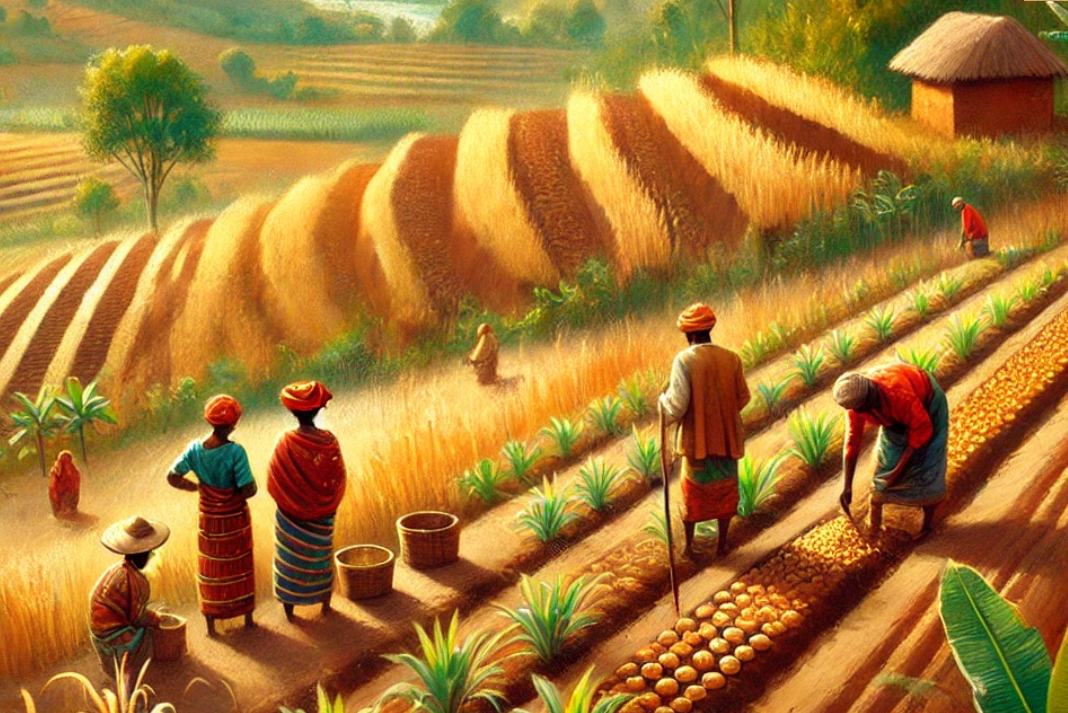
Rather than promoting monoculture cash crops, startups deploy AI-driven tools that maximize yields of climate-resilient grains such as sorghum, millet, and teff. Valued for their drought resistance and nutritional benefits, these crops gain renewed relevance as weather patterns shift. - Mobile Advisory Platforms
Widespread smartphone use enables services like Esoko (Ghana) and Twiga Foods (Kenya) to offer real-time data on market prices, weather forecasts, and pest management strategies rooted in local knowledge—empowering smallholders to make informed decisions. - Blockchain for Seed Protection
To combat threats to seed sovereignty posed by hybrid seeds and IP restrictions, blockchain technology secures digital records of seed transactions. Startups like Hello Tractor (Nigeria) and Bext360 (East Africa) explore ways to safeguard indigenous seed varieties through digital tracking, ensuring local communities maintain control.
How Technology Enhances Traditional Practices
After centuries of refinement, indigenous farming methods are scaling up with technological support—without sacrificing sustainability:
- Digital Mapping for Water Conservation
Traditional techniques such as Burkina Faso’s Zai are complemented by AI-driven soil sensors and satellite imagery, optimizing pit placement for maximum water retention and improved yields. - Drones for Sustainable Pest Control
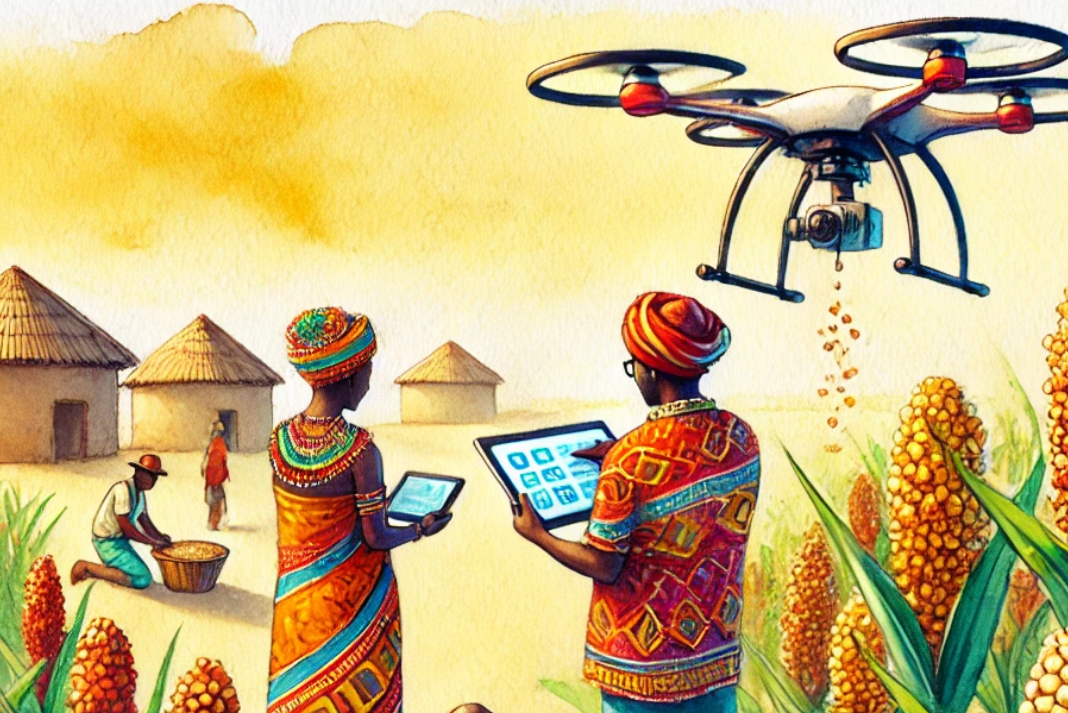
Where neem and chili extracts once sufficed, drones now disperse organic biopesticides, minimizing chemical use while preserving ecological balance. - IoT-Enabled Livestock Monitoring
Pastoralist communities in East Africa leverage GPS and sensors for grazing management, safeguarding essential migration patterns and reducing conflict over water resources. - AI-Powered Weather Forecasting
Indigenous planting calendars, once aligned with predictable seasons, now adapt to changing climates using AI models—like those from Ignitia (West Africa)—to refine local agricultural schedules.
Challenges in Bridging Technology and Tradition
Though promising, the AgriTech revolution faces hurdles:
- Cost Barriers: Many smallholders need subsidies or grants to afford advanced tools.
- Digital Literacy: While phone usage is high, gaps in technological skills persist in rural regions.
- Dependency on External Funding: Reliance on foreign investment prompts questions about local empowerment versus potential new forms of dependency.
A Hybrid Model for African Agriculture
Fusing AgriTech with indigenous knowledge hinges on three key strategies:
- Localization of Technology
Adapt digital solutions to local cycles so they reinforce, rather than replace, existing practices. - Policy Support
Offer incentives for startups that engage closely with rural communities, instead of focusing solely on export-based agribusiness. - Community-Led Innovation
Include farmers as collaborators in designing new systems, ensuring on-the-ground expertise shapes development.
Conclusion: Reinventing Tradition for the Digital Age
African agriculture’s future is less about discarding ancestral methods and more about transforming them with technology. By blending local wisdom with modern innovation, African farmers can bolster climate resilience, ensure robust food systems, and foster economic empowerment. Scaled thoughtfully, AgriTech may hold the key to preserving centuries of agrarian legacy while meeting the continent’s expanding needs in a rapidly changing world.