
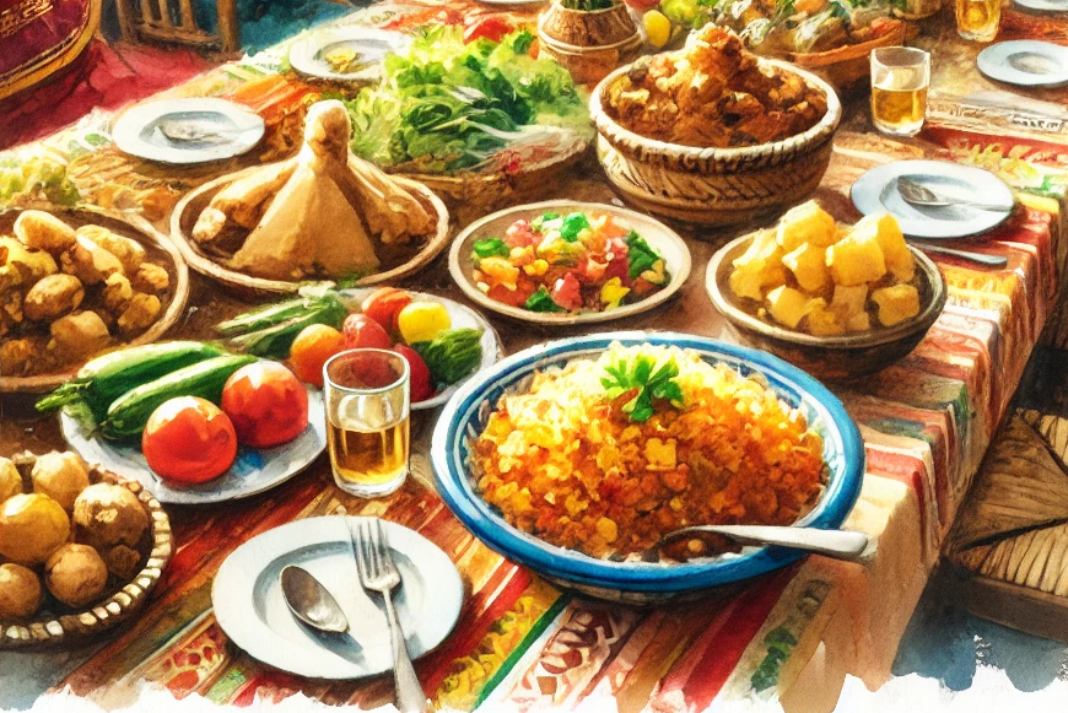
Food represents more than nourishment; it is a living archive of history, identity, and adaptation. Across Africa, culinary traditions interlace cultural heritage with centuries of local knowledge, resilience, and community bonds. Yet for decades, African gastronomy remained overshadowed by Western and Asian cuisines on the international stage. That narrative is rapidly evolving. From fine dining in New York and London to food festivals in Dubai and Tokyo, African dishes are prompting a global reappraisal of taste and tradition. This newfound recognition, however, raises key questions: how does African cuisine strike a balance between authenticity and commercial appeal, and what does this shift mean for its future?
The Historical and Cultural Weight of African Cuisine
African foodways are as diverse as the continent itself, shaped by geography, trade, and indigenous practices. Each dish offers a vivid link between past and present:
- West Africa and the Legacy of Trade
The friendly rivalry over jollof rice—among Nigeria, Ghana, and Senegal—symbolizes more than just culinary pride. It testifies to centuries of rice cultivation and trade, enhanced by New World ingredients like tomatoes, and now a genuine cultural icon for the region. - The Horn of Africa: Ancient Grains and Spice Routes
In Ethiopia and Eritrea, injera (a sourdough flatbread crafted from teff) underpins communal dining. Paired with richly spiced stews—like doro wat (chicken) or shiro (chickpeas)—these dishes trace their lineage through historical trade ties with the Middle East and India. - North Africa’s Berber and Arab Influences
Moroccan tagines, Egyptian ful medames, and Tunisian brik blend indigenous Berber traditions with Arab, Mediterranean, and European spices. Elements like preserved lemons, saffron, and harissa underscore centuries of cultural exchange and adaptation. - Southern Africa’s Indigenous and Colonial Fusion
The braai tradition in South Africa, Botswana, and Namibia merges indigenous cooking techniques with Dutch and British influences. Staple maize-based dishes such as pap and sadza preserve culinary customs predating colonial rule. - East Africa: A Meeting Point of Cultures
Coastal Swahili cuisine, notably in Kenya and Tanzania, melds African, Indian, and Middle Eastern flavors. Biryani, samosas, and coconut-infused seafood reflect vibrant Indian Ocean trade routes, while inland staples—like Ugandan matoke (steamed bananas) and Rwandan isombe (cassava leaves)—highlight indigenous agrarian roots.
The Global Rise of African Cuisine
Once relegated to “ethnic” or niche restaurants abroad, African cuisine is now stepping into the limelight:
- Michelin-Starred Recognition
Venues like Ikoyi in London and Eneko Afrobeats in Paris elevate African flavors to fine-dining status, blending inventive presentations with traditional taste profiles and challenging Western-centric definitions of haute cuisine. - The Influence of the Diaspora
Renowned chefs such as Marcus Samuelsson (Ethiopia/Sweden/USA) and Pierre Thiam (Senegal/USA) bring African-inspired dishes like yassa and suya into mainstream gastronomy, forging modern interpretations that introduce West African flavors to global audiences. - Social Media and the Democratization of African Food
Platforms like YouTube, Instagram, and TikTok spotlight African food influencers who share recipes, debunk myths, and celebrate culinary techniques once confined to local settings. Figures such as Ghanaian-American Zoe Adjonyoh and Nigerian chef Hilda Baci amplify the continent’s culinary identity worldwide. - Fast-Casual and African Street Food
African fast-casual chains, exemplified by Chop Chop London and Teranga NYC, showcase accessible yet authentic fare. Street food markets in major cities now feature Kenyan nyama choma, Ethiopian tibs, and South African bunny chow, introducing a broader audience to Africa’s culinary richness.
Challenges and Opportunities in Preserving Authenticity
With growing recognition comes both promise and complexity:
- Ingredient Sourcing and Sustainability
Staples like egusi, baobab, and fonio can be difficult to procure outside Africa. Rising demand may lead to overharvesting or inflated costs, potentially cutting local populations off from their culinary staples. - Cultural Appropriation vs. Representation
The mainstreaming of African foods in Western markets highlights questions of credit and benefit. While African chefs strive to lead the movement, instances of non-African ventures profiting from these cuisines without acknowledgment raise valid concerns. - Standardization vs. Diversity
African cuisine’s remarkable regional variety resists uniform packaging. Efforts to market “popular” dishes risk eclipsing lesser-known yet equally significant culinary traditions, potentially diluting the cuisine’s inherent diversity.
The Future of African Cuisine on the Global Stage
For African food to remain authentic while ascending globally, a nuanced approach is essential:
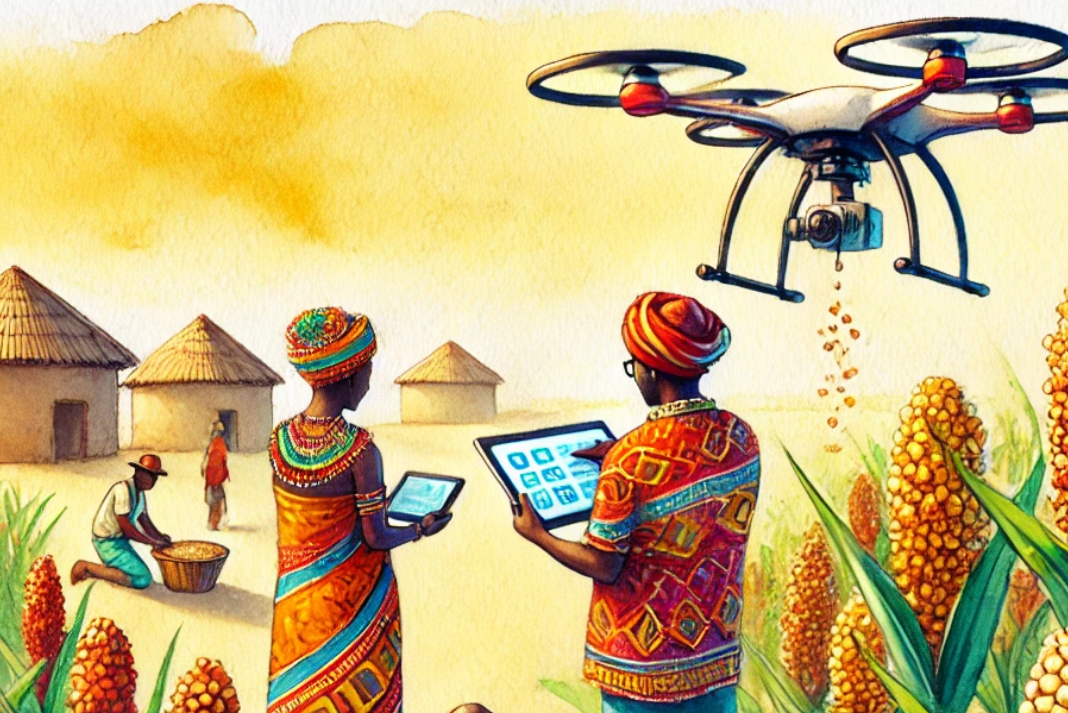
- Invest in Local Food Industries: Supporting African farmers, producers, and culinary institutions ensures benefits return to those sustaining the food movement from its roots.
- Promote Culinary Tourism: Many African nations are weaving gastronomy into broader cultural tourism strategies, encouraging visitors to experience these dishes in their natural, local context.
- Use Technology and E-Commerce: Online outlets can grant broader access to African ingredients and support African suppliers, enabling home cooks and professional chefs worldwide to craft authentic flavors.
- Champion Diaspora-Led Expansion: African-owned eateries and brands should lead international perceptions, ensuring that African voices remain central to the narrative.
Conclusion: A Seat at the Global Culinary Table
The ascendance of African cuisine signals more than a culinary trend—it represents a cultural revival. By safeguarding indigenous flavors, embracing modern interpretations, and harnessing the potential of social media, African food is finally claiming its place in global gastronomy. However, careful stewardship is vital to ensure that Africa’s culinary legacy remains authentic, sustainable, and rightfully connected to the communities that have nurtured it across generations.
As African dishes captivate global palates, the world is sampling not merely a new set of flavors but a rich tapestry of history, identity, and ever-evolving culture.