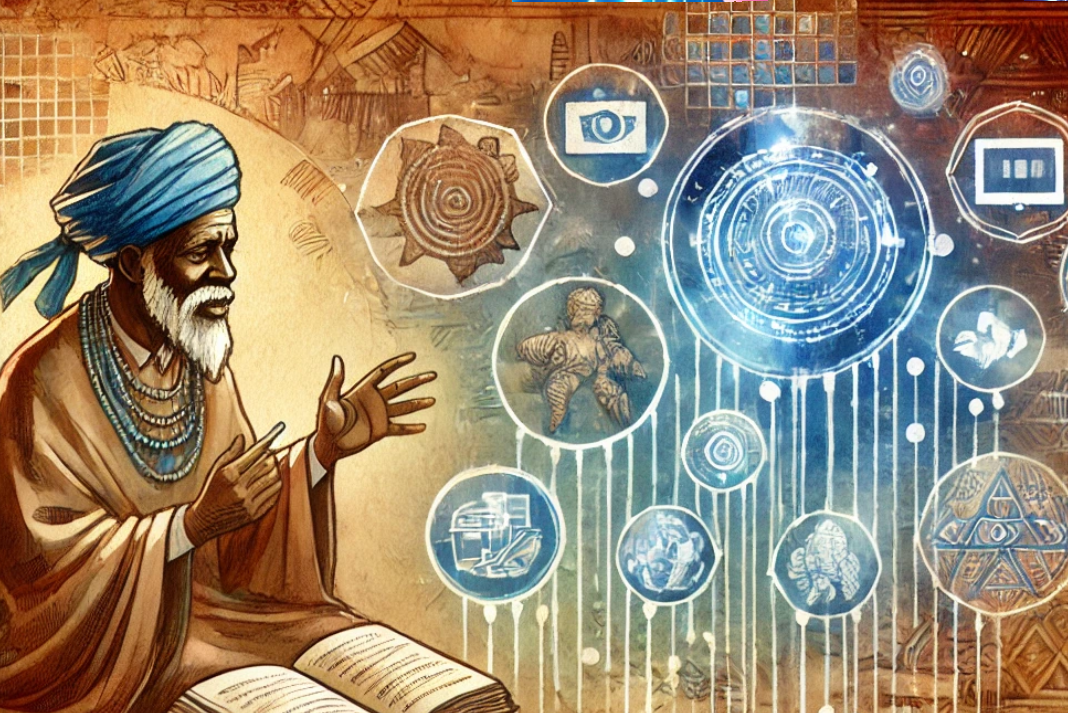

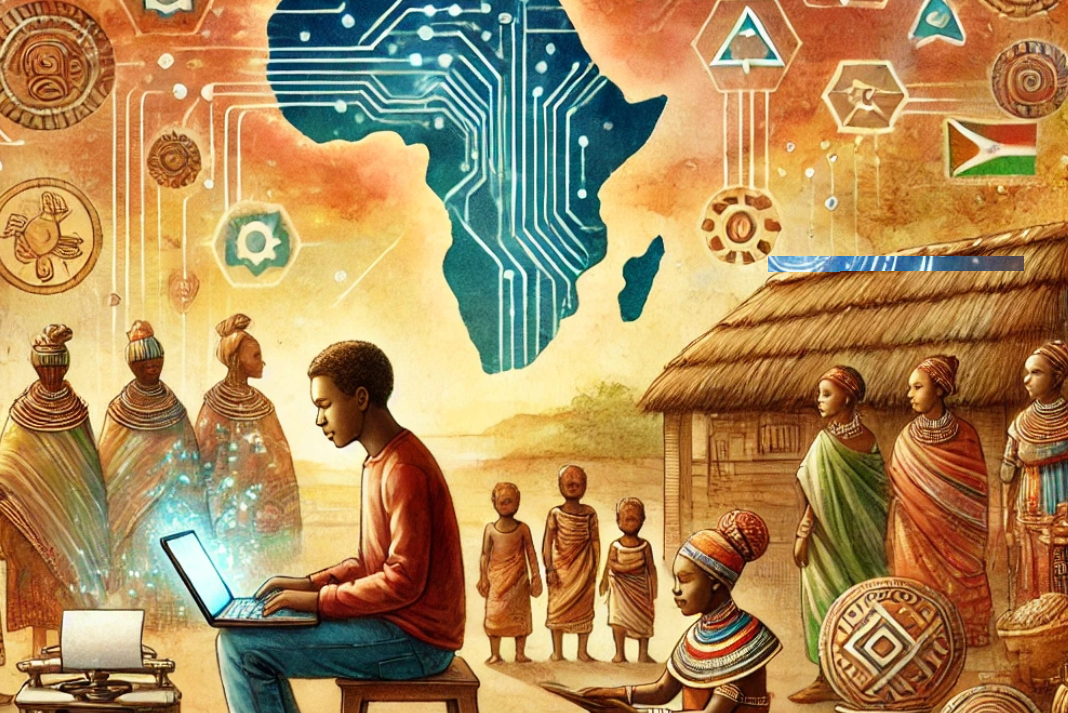
As Africa’s technological landscape evolves, a new wave of innovation is prioritizing indigenous languages, traditions, and cultural narratives. Unlike earlier models of digital expansion—often dictated by external influences—African startups and tech initiatives are now ensuring that technology amplifies, rather than erodes, local identities.
From AI-driven language preservation to blockchain-backed cultural documentation, these efforts are not just about adaptation but about cultural self-determination in the digital age. Yet, as these initiatives gain momentum, pressing questions emerge: How can they secure funding without compromising authenticity? Can digital platforms protect Africa’s heritage from exploitation?
The Rise of Indigenous Tech in Africa
Tech entrepreneurs across the continent are addressing longstanding barriers that have sidelined indigenous languages, oral traditions, and historical knowledge. Among the most impactful innovations are:
1. AI and Language Preservation
Africa is home to over 2,000 languages, yet many remain underrepresented in digital spaces. To counter the dominance of colonial languages in AI-driven tools, startups are using Natural Language Processing (NLP) and machine learning to integrate African dialects into digital systems:
- Masakhane (Pan-African): An open-source AI research network building language models for African dialects, ensuring they are incorporated into machine translation, speech recognition, and chatbots.
- Obuntu (Uganda): A voice recognition platform translating spoken Luganda, Runyankore, and other indigenous languages to make digital tools accessible for non-English speakers.
- Vambo AI (South Africa): A startup developing search and voice assistant capabilities in Zulu, Xhosa, and Setswana, enhancing digital inclusion for African linguistic diversity.
2. Blockchain for Cultural Heritage Protection
The digital era has accelerated cultural appropriation and artifact theft, sparking the need for blockchain technology to authenticate and secure Africa’s historical assets:
- WIPO’s Traditional Knowledge Digital Library (Kenya, Ghana, Ethiopia): A blockchain-protected archive documenting indigenous medicine, folklore, and traditional crafts, preventing their exploitation by global corporations.
- AfroChain (Nigeria): Uses blockchain to protect the copyrights of African literature, music, and art, ensuring that indigenous creators retain ownership of their work.
- Artefact Blockchain (Benin): Tracks African artifacts in museums worldwide, advocating for repatriation through immutable digital proof of origin.
3. EdTech and Digital Learning Rooted in Indigenous Knowledge
Educational platforms across Africa are integrating traditional storytelling, cultural history, and indigenous pedagogy into digital learning:
- Ubongo (Tanzania): The continent’s leading edutainment company, producing animated educational content in Swahili, Hausa, and local languages to make learning more relatable.
- M-Shule (Kenya): An AI-powered mobile learning platform that incorporates African proverbs, folktales, and cultural wisdom into school curricula.
- Ananse Hub (Ghana): A digital storytelling project preserving the Ananse folklore tradition, using interactive games and audiobooks to engage young learners.
4. Mapping Indigenous Knowledge Through Digital Platforms
With land disputes and environmental threats endangering ancestral territories, African innovators are leveraging technology to document and defend indigenous landscapes and knowledge:
- The Timbuktu Heritage Project (Mali): A GIS-based digital archive preserving ancient Timbuktu manuscripts and mapping historical sites to protect them from conflict and climate threats.
- Land Rights Tech (DRC, Namibia, Kenya): Uses satellite imaging and AI-driven mapping to secure land tenure for indigenous communities.
- EcoCulture Atlas (Pan-Africa): A platform mapping indigenous farming techniques, herbal medicine, and ecological practices, ensuring pre-colonial environmental knowledge is not lost.
Challenges and Ethical Dilemmas
Despite their potential, these initiatives face systemic and ethical challenges that could affect their sustainability:
- Funding Constraints: Many indigenous tech startups rely on Western venture capital, which often prioritizes commercial scalability over cultural preservation.
- Digital Exploitation: Once digitized, who owns indigenous knowledge? Concerns over foreign tech corporations monetizing African cultural assets are growing.
- Infrastructure Gaps: Rural communities—where much indigenous knowledge is held—often face low internet penetration and limited digital literacy, making accessibility a challenge.
The Path Forward: Safeguarding Indigenous Tech Innovations
To ensure the sustainability and ethical development of indigenous-focused tech, African governments, investors, and local innovators must take strategic steps:
- Strengthening Digital Sovereignty: Governments must introduce legislation protecting indigenous data and intellectual property from digital exploitation.
- Encouraging Open-Source Collaboration: Community-driven research, as seen in Masakhane’s AI models, ensures that linguistic and cultural data remain accessible and not monopolized by big tech.
- Developing Sustainable Funding Models: Impact-driven investments should support cultural preservation, not just commercial scalability.
- Empowering Communities as Co-Creators: Indigenous leaders and knowledge holders must participate in tech development, ensuring their narratives remain accurate and self-represented.
Conclusion: A Digital Future Rooted in African Identity
Africa’s tech boom is no longer just about connectivity and economic growth—it is about cultural reclamation. Innovators are proving that technology can be a tool for heritage preservation, linguistic diversity, and knowledge empowerment.
As these innovations expand, one reality becomes clear: Africa’s digital transformation will not be a replication of Western models—it will be uniquely, unapologetically African.